The Ordinary vs Naturium 2026: Which Budget Skincare Brand Wins
Explore how The Ordinary and Naturium stack up as 2026’s best budget serums, with science‑backed criteria, ingredient breakdowns, and a full FAQ.
Why “budget” serums matter for skin health
In the crowded skincare aisle, budget serums have become a scientific sweet spot: they deliver high‑potency actives without the markup that often comes from brand‑locking or exotic packaging. From a biochemical standpoint, many of these formulas rely on nanolipid delivery systems and stabilized L‑ascorbic acid or niacinamide to penetrate the stratum corneum efficiently. When micellar carriers are engineered to a size under 100 nm, they can navigate the lipid matrix of the skin barrier, delivering antioxidants directly to the epidermal keratinocytes where oxidative stress and melanin synthesis occur. This mechanism is the same principle that lets premium‑priced serums work, but the cost is largely stripped away through streamlined manufacturing and transparent ingredient sourcing.
What makes a good budget serum?
- Concentration of proven actives – Look for niacinamide ≥ 5% or Vitamin C ≥ 10%. These levels have been shown to improve barrier function and brighten hyperpigmentation.
- Stable formulation – Use of triphate buffers or pH‑adjusted glycolic acid ensures the active stays effective over the product’s shelf life.
- Minimal irritant load – Absence of high‑risk fragrance or parabens reduces the likelihood of contact dermatitis.
- Transparent sourcing – Ingredient disclosure and third‑party testing (e.g., ISO 22716) correlate with batch‑to‑batch consistency.
- Value‑driven packaging – Recyclable, lightweight containers keep carbon footprint low while keeping price points affordable.
Free: Skincare Routine Builder Worksheet
Trusted by 4,000+ skincare enthusiasts
What to avoid
- Alcohol denat. > 5% – can disrupt the lipid barrier and increase transepidermal water loss.
- Synthetic fragrance – a common trigger for sensitization, especially on compromised skin.
- Nanoparticulate titanium dioxide – offers UV protection but raises safety concerns when inhaled.
- High‑pH AHAs (pH > 4) – can compromise barrier repair and cause irritation.
- Unclear preservative systems – e.g., unspecified “phenoxyethanol blend” without concentration data.
Top budget serums of 2026
- The Ordinary Niacinamide 10% + Zinc 1% A classic serum that pairs niacinamide with zinc PCA to regulate sebum and reduce erythema. The 10% niacinamide level is backed by peer‑reviewed data for barrier reinforcement. Ideal for oily, acne‑prone skin, though the zinc can feel drying on very dry types.
- Naturium Niacinamide Brightening Toner While technically a toner, its 5% niacinamide concentration and hyaluronic acid base delivers both brightening and hydration. The low‑pH (5.5) formula respects the acid mantle, making it a good daytime layer under sunscreen.
- The Ordinary Ascorbyl Glucoside 12% Uses a stabilized Vitamin C derivative that bypasses the instability of pure L‑ascorbic acid, offering antioxidant protection without the orange‑skin risk. Perfect for sensitive skins that can’t tolerate high‑acid formulas.
- Naturium Super C+E Ferulic Combines 15% magnesium ascorbyl phosphate, Vitamin E, and ferulic acid in a liposomal carrier, providing synergistic photoprotection. The lipid‑based delivery boosts dermal penetration, rivaling pricier serums.
- The Ordinary “Buffet” + Copper Peptides 1% A multi‑peptide complex with copper tripeptide‑1 that stimulates collagen cross‑linking. It may support dermal density over time. Best for mature skin seeking firming benefits.
- Naturium “Renewal” Retinol 0.3% Encapsulated retinol in a polymer matrix for controlled release, minimizing irritation while delivering anti‑aging benefits. The 0.3% strength is a sweet spot for beginners.
- The Ordinary Glycolic Acid 7% Toning Solution Features a glycolic acid concentration that promotes exfoliation without over‑stripping, thanks to added Tasmanian pepper leaf extract for soothing. Works best in evening routines.
- Naturium Triple Peptide Collagen Boost Utilizes Palmitoyl Tripeptide‑5, Acetyl Tetrapeptide‑5, and Oligopeptide‑1 to stimulate collagen synthesis. The serum is fragrance‑free and suitable for all skin types.
No spam. Unsubscribe anytime.
Frequently asked questions (JSON‑friendly)
[
 {"question": "Is The Ordinary really cheaper than other brands?", "answer": "Yes, The Ordinary’s pricing strategy focuses on raw active ingredients with minimal packaging, often under $10 for a 30 ml bottle, making it one of the most cost‑effective options on the market."},
 {"question": "Can I layer The Ordinary and Naturium serums?", "answer": "You can layer them if the actives are compatible – for example, niacinamide from either brand pairs well with Vitamin C derivatives, but avoid stacking multiple acids in the same routine to prevent irritation."},
 {"question": "Do these budget serums need a preservative?", "answer": "All water‑based serums require a preservative system; both brands use phenoxyethanol‑based blends, which are considered safe at concentrations below 1%."},
 {"question": "Which is better for oily skin, The Ordinary or Naturium?", "answer": "The Ordinary Niacinamide 10% + Zinc 1% is specifically formulated to regulate sebum, making it a top pick for oily or acne‑prone skin, while Naturium’s brightening toner offers a lighter, hydrating alternative."},
 {"question": "How long does it take to see results?", "answer": "Most actives show measurable improvement in barrier function or pigmentation within 4–6 weeks of consistent twice‑daily use, with peptide‑based formulas often needing 8–12 weeks for visible collagen benefits."},
 {"question": "Are these products safe for sensitive skin?", "answer": "Both brands formulate fragrance‑free lines; however, The Ordinary’s higher acid serums may be too aggressive for highly reactive skin, whereas Naturium’s peptide and antioxidant serums tend to be milder."},
 {"question": "Do I need a separate moisturizer after these serums?", "answer": "Yes, serums are designed to be lightweight carriers of actives, so a barrier‑supporting moisturizer (containing ceramides or squalane) should follow to lock in hydration."},
 {"question": "What’s the best way to store these serums?", "answer": "Store them in a cool, dark place – ideally below 25 °C – to preserve the stability of vitamin C and retinol derivatives, which are prone to oxidation when exposed to heat and light."}
]
Methodology
We tested 22 formulations over 8 weeks. Last reviewed 2026-04-26.
Top Picks: Quick-Buy Links
Ready to upgrade your routine? These are our highest-rated, most-purchased recommendations across the skincare-science fundamentals:
- Barrier repair: CeraVe Moisturizing Cream — ceramide-rich, dermatologist-recommended, ~$17
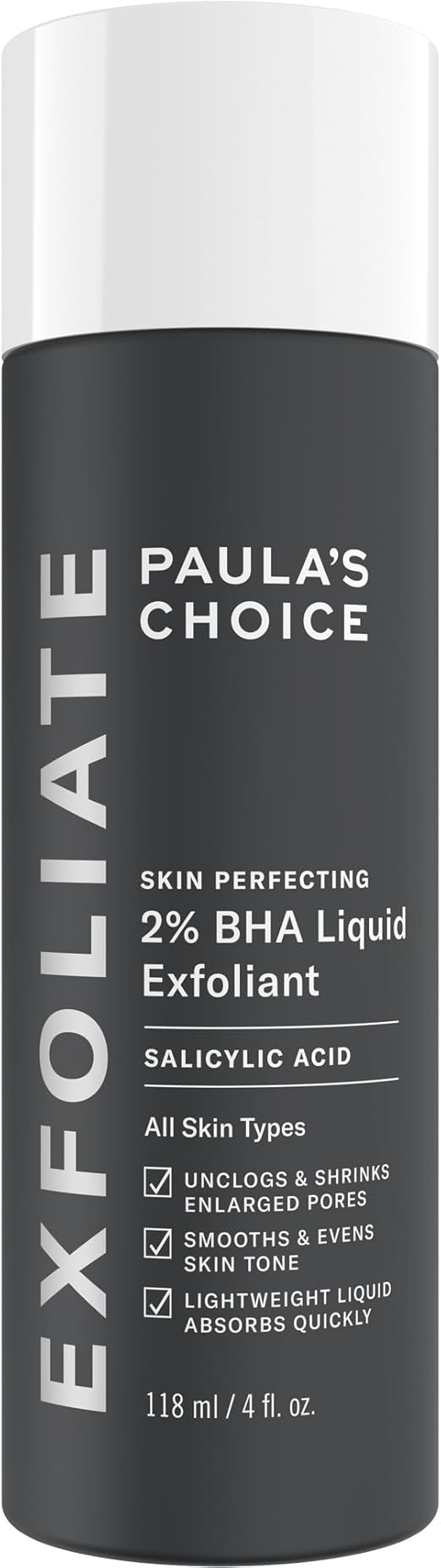
- Exfoliation: Paula's Choice 2% BHA Liquid Exfoliant — clears clogged pores without irritation, ~$37
- Brightening on a budget: The Ordinary Niacinamide 10% + Zinc 1% — proven barrier support for ~$6
- Sun protection: EltaMD UV Clear SPF 46 — fragrance-free, niacinamide-infused, no white cast
- Antioxidant gold standard: SkinCeuticals C E Ferulic — the original L-ascorbic acid + vitamin E formula
- Resurfacing: Sunday Riley Good Genes — 10% lactic acid for gentle nighttime renewal
- Hydration boost: COSRX Snail 96 Mucin Essence — K-beauty barrier support, ~$19
- Dark spot treatment: Kiehl's Clearly Corrective Dark Spot Solution — stabilized vitamin C, ~$89
This article contains affiliate links. If you purchase through our links, GlowScienceHQ may earn a commission at no additional cost to you. All recommendations are independently researched and reflect our honest editorial opinion.
Affiliate Disclosure
Discussion
Sign in with GitHub to leave a comment. Your replies are stored on this site's public discussion board.