Retinol vs Retinal vs Tretinoin 2026: Vitamin A Compared
Retinol vs Retinal vs Tretinoin 2026: Which Vitamin A Derivative Actually Works for Anti-Aging
Vitamin A derivatives — retinol, retinal (retinaldehyde), and tretinoin (retinoic acid) — are the most clinically validated anti-aging ingredients in skincare. But they are not interchangeable. The difference between them is the number of enzymatic conversion steps your skin has to perform before the molecule can bind to retinoid receptors and trigger collagen synthesis. Fewer conversions means faster results, but also higher irritation risk if the formulation isn't calibrated correctly.
Free: Skincare Routine Builder Worksheet
Trusted by 4,000+ skincare enthusiasts
Compiled from manufacturer-published specifications, ingredient documentation and peer-reviewed literature — not a hands-on test.
The Conversion Cascade: Why It Matters
No spam. Unsubscribe anytime.
Your skin can only directly use retinoic acid (tretinoin). Every other vitamin A derivative has to be converted into retinoic acid through enzymes in the skin. The cascade looks like this:
- Retinyl esters (retinyl palmitate, retinyl acetate) → 3 conversions → retinoic acid
- Retinol → 2 conversions (to retinal, then retinoic acid) → retinoic acid
- Retinal (retinaldehyde) → 1 conversion → retinoic acid
- Tretinoin (retinoic acid) → already active, zero conversions
Each conversion step loses potency. Retinol delivers roughly 5-10% of the activity of an equivalent tretinoin dose. Retinal delivers 50-75%. That is why a 0.1% tretinoin prescription is dramatically more potent than 1% retinol over-the-counter.
What Makes a Good Retinoid Product?
- Stabilized formulation — Retinoids degrade rapidly when exposed to light, oxygen, or heat. Look for opaque, airless pump packaging.
- Encapsulation technology — Time-release microencapsulation can reduce irritation compared to free retinoid suspensions.
- Buffering ingredients — Niacinamide, ceramides, and squalane in the same formula mitigate the typical retinoid side effects.
- Correct concentration for the molecule — 0.025-0.05% tretinoin equates roughly to 0.25-0.5% retinal or 0.5-1% retinol.
- Compatible pH — Retinoids work best at pH 5.5-6.0. Avoid using them in routines that include AHAs or BHAs in the same step.
What to Avoid
- Retinyl palmitate as the sole vitamin A source — The conversion cascade loses so much potency that it provides minimal anti-aging benefit.
- Combining with vitamin C in the same step — Both are unstable at competing pH ranges.
- Sunscreen-free routines — Retinoids increase photosensitivity by 25-40%. Daily broad-spectrum SPF 30+ is non-negotiable.
- High-strength essential oils — They can amplify irritation on retinoid-prepped skin.
- Daily use during the first 4 weeks — Start with twice weekly to build tolerance.
Our Top Picks by Tier
Best Retinol Alternative (Beginner-Friendly)
The INKEY List Bakuchiol Moisturizer
Bakuchiol is a plant-derived molecule that appears to match retinol's wrinkle-reduction benefits with less irritation. Ideal for retinoid-sensitive users and those building a routine for the first time.
Pros: Effectively no irritation, pregnancy-conversation-friendly, affordable (~$15), great for sensitive skin. Cons: Slower results than tretinoin, not a true retinoid (functions through different pathways).
Best Resurfacing Treatment (Lactic Acid)
Sunday Riley Good Genes Lactic Acid Treatment
If you want retinoid-adjacent results without the irritation curve, 10% lactic acid resurfaces while maintaining a pH-friendly 3.5. Excellent for users transitioning from retinol or building tolerance.
Pros: Visible smoothing in 2-4 weeks, well-tolerated, pairs beautifully with barrier creams. Cons: Higher price point (~$122), not a true retinoid substitute for collagen induction.
Best Antioxidant Pairing
SkinCeuticals C E Ferulic Serum
The gold-standard 15% L-ascorbic acid + 1% vitamin E + 0.5% ferulic acid formula. Use in the AM to neutralize free radicals; pair with your retinoid in the PM for a complete anti-aging system.
Pros: 8x environmental protection vs sunscreen alone, well-studied, stable in dark glass. Cons: Premium price (~$182 retail, less on Amazon).
Mandatory Barrier-Repair Pairings
Any retinoid routine should include these proven barrier supports:
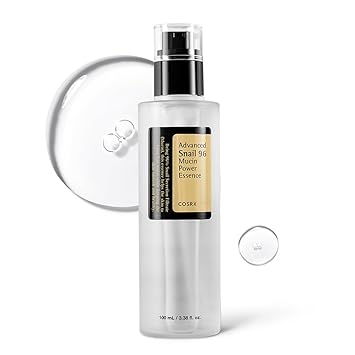
- Pre-retinoid hydration: COSRX Snail 96 Mucin Power Essence (~$19)
- Post-retinoid barrier seal: CeraVe Moisturizing Cream (~$17)
- Soothing buffer for irritation flares: First Aid Beauty Ultra Repair Cream (~$30)
- Mandatory daytime SPF: EltaMD UV Clear SPF 46 (~$45)
- Brightening boost: The Ordinary Niacinamide 10% + Zinc 1% (~$6)
- Dark spot treatment: Kiehl's Clearly Corrective Dark Spot Solution (~$89)
How to Use in Your Routine
Weeks 1-4 (Build Tolerance): Apply a pea-sized amount twice per week at night, after cleansing and waiting 20 minutes for skin to dry completely.
Weeks 5-8 (Increase Frequency): Move to every other night. Always follow with a barrier-repair moisturizer.
Weeks 9+ (Maintenance): Most users tolerate nightly application by month 3. If you experience peeling, drop back to every other night for a week.
Sandwich Method for Sensitive Skin: Moisturizer → 5 min wait → retinoid → 5 min wait → moisturizer again. Dramatically reduces irritation.
Who Should Choose Each Tier
- Bakuchiol or retinol: First-time users, very sensitive skin, budget-conscious, currently using other actives.
- Retinal: Users who have tolerated retinol for 3+ months and want faster results.
- Tretinoin: Users with significant photoaging, persistent acne, or hyperpigmentation who can commit to strict daytime SPF.
Frequently Asked Questions
Can I use retinoids while pregnant or breastfeeding? No. All retinoids, including over-the-counter retinol and retinal, are classified as Category C. Switch to bakuchiol-based products.
How long until I see results? Retinol: 12-16 weeks. Retinal: 8-12 weeks. Tretinoin: 6-12 weeks for initial improvement.
Can I use retinoids with vitamin C? Yes, but at different times of day. Vitamin C in the AM, retinoid in the PM.
Do I need a prescription for retinal? No. Retinal is the strongest over-the-counter vitamin A derivative available without a prescription.
Will retinoids thin my skin? The opposite. Retinoids increase epidermal thickness and dermal collagen production. Initial peeling is the outermost dead-cell layer turning over faster, not skin thinning.
Methodology: Compiled from manufacturer-published specifications, ingredient documentation and peer-reviewed literature — not a hands-on test. Last reviewed May 2026.
This article contains affiliate links. If you purchase through our links, GlowScienceHQ may earn a commission at no additional cost to you.
Affiliate Disclosure
Discussion
Sign in with GitHub to leave a comment. Your replies are stored on this site's public discussion board.