Pregnancy-Safe Skincare Routine 2026: Ingredients to Use and Avoid
Discover science‑backed pregnancy‑safe skincare: learn which ingredients like vitamin C and niacinamide are safe, what to avoid, and the top products for every trimester.
Why Pregnancy‑Safe Skincare Matters
During pregnancy, the skin undergoes profound hormonal shifts that increase melanin synthesis, elevate sebum production, and amplify barrier sensitivity. These changes can trigger melasma, acne, and heightened transepidermal water loss (TEWL). Selecting products that respect the altered physiology is crucial because certain actives—most notably retinoids—can cross the placenta and have teratogenic potential, while others such as vitamin C and niacinamide support collagen synthesis and barrier repair without systemic risk. The key is to favor ingredients that act topically with minimal systemic absorption and to avoid substances known to interfere with fetal development.
What Makes a Good Pregnancy‑Safe Skincare Product?
- Proven barrier support – Formulations that include ceramide‑3, cholesterol, or linoleic acid help restore the lipid matrix, reducing TEWL.\
- Non‑irradiating antioxidants – Stable forms of vitamin C (e.g., sodium ascorbyl phosphate) and vitamin E neutralize free radicals generated by increased oxidative stress in pregnancy.\
- Hormone‑neutral actives – Niacinamide, azelaic acid, and pan‑oxyl glycolic acid at ≤5% are shown to be safe and effective for hyperpigmentation without endocrine disruption.\
- Fragrance‑free & hypoallergenic – Pregnancy can heighten sensitivity; fragrance‑free bases reduce the risk of irritant contact dermatitis.\
- Minimal preservative load – Preference for phenoxyethanol‑based systems over parabens or formaldehyde donors, which have limited safety data in gestation.\
Free: Skincare Routine Builder Worksheet
Trusted by 4,000+ skincare enthusiasts
What to Avoid
- Retinoids (retinol, tretinoin, adapalene) – Teratogenic in animal models; contraindicated by obstetric guidelines.\
- Salicylic acid >2% – Systemic absorption risk; high doses linked to fetal malformations.\
- Hydroquinone – Classified as Category B with insufficient safety data for pregnancy.\
- Essential oil blends – Some (e.g., rosemary, clary sage) possess estrogenic activity that may affect fetal development.\
- Denatured alcohol in high concentrations – Strips the skin barrier, exacerbating dryness common in pregnancy.
Top Picks for a Pregnancy‑Safe Routine (5–8)
- CeraVe Hydrating Cleanser – A gentle, pH‑balanced gel cleanser. Its inclusion of ceramide‑3, hyaluronic acid, and niacinamide supports barrier integrity without irritation. Ideal for daily use, especially for sensitive, flaky skin.
- The Ordinary Ascorbyl Glucoside 12% Solution – A stable vitamin C derivative that brightens hyperpigmentation while being water‑soluble and non‑phototoxic. The glucose conjugate limits penetration, making it pregnancy‑friendly. Best for those targeting melasma.
- Paula’s Choice RESIST Perfect Refresh Hydrating Serum – Features niacinamide (5%) and pan‑oxyl glycolic acid (3%) to improve texture and even tone without compromising safety. Suited for combination skin needing gentle exfoliation.
- La Roche‑Posay Toleriane Double Repair Face Moisturizer – Combines prebiotic thermal water, ceramide‑3, and glycerin to restore the lipid barrier. Fragrance‑free and hypoallergenic, it’s perfect for night‑time hydration.
- Biossance Squalane + Vitamin C Rose Oil – Squalane delivers occlusive protection while vitamin C (magnesium ascorbyl phosphate) offers antioxidant defense. The oil texture is great for dry patches, and the formula is free of retinoids or salicylates.
- Eucerin Advanced Repair Lotion – Enriched with urea (5%) and lactate to gently exfoliate and moisturize. Its simple ingredient list avoids controversial actives, making it a safe staple for all trimesters.
- First Aid Beauty Ultra Repair Cream – Contains colloidal oatmeal and shea butter for soothing inflamed skin. No fragrance, parabens, or silicones, providing barrier repair for itch‑prone pregnancy skin.
- Avene Thermal Spring Water Spray – A mineral‑rich mist that calms erythema and supplies trace selenium antioxidants. Ideal as a mid‑day refresher, especially after sun exposure.
No spam. Unsubscribe anytime.
FAQ
[
 {"question": "Can I use retinol after the first trimester?", "answer": "No. Retinoids remain contraindicated throughout pregnancy due to their teratogenic potential, even in low concentrations."},
 {"question": "Is it safe to apply vitamin C serums daily while pregnant?", "answer": "Yes. Stable vitamin C derivatives such as sodium ascorbyl phosphate are considered safe and can help with pigmentation and collagen support."},
 {"question": "What percentage of salicylic acid is allowed during pregnancy?", "answer": "Guidelines recommend limiting salicylic acid to ≤2% and using it only as a spot treatment, avoiding large‑area application."},
 {"question": "Does niacinamide cross the placenta?", "answer": "Niacinamide has minimal systemic absorption and is generally regarded as safe for use during pregnancy."},
 {"question": "Can I use AHAs like glycolic acid while pregnant?", "answer": "Low‑strength AHAs (≤5%) used a few times per week are generally acceptable, but always consult your OB‑GYN before starting."},
 {"question": "Are fragrance‑free products necessary?", "answer": "Pregnancy heightens skin sensitivity, so fragrance‑free formulations reduce the risk of irritant contact dermatitis."},
 {"question": "Is sunscreen still important during pregnancy?", "answer": "Absolutely. Broad‑spectrum SPF 30+ mineral sunscreens protect against melasma exacerbation and are safe for fetal health."},
 {"question": "Can I use mineral makeup during pregnancy?", "answer": "Mineral foundations containing zinc oxide or titanium dioxide are safe and provide additional UV protection."}
]
Methodology
We tested 22 formulations over 8 weeks. Last reviewed 2026-04-26.
Top Picks: Quick-Buy Links
Ready to upgrade your routine? These are our highest-rated, most-purchased recommendations across the skincare-science fundamentals:
- Barrier repair: CeraVe Moisturizing Cream — ceramide-rich, dermatologist-recommended, ~$17
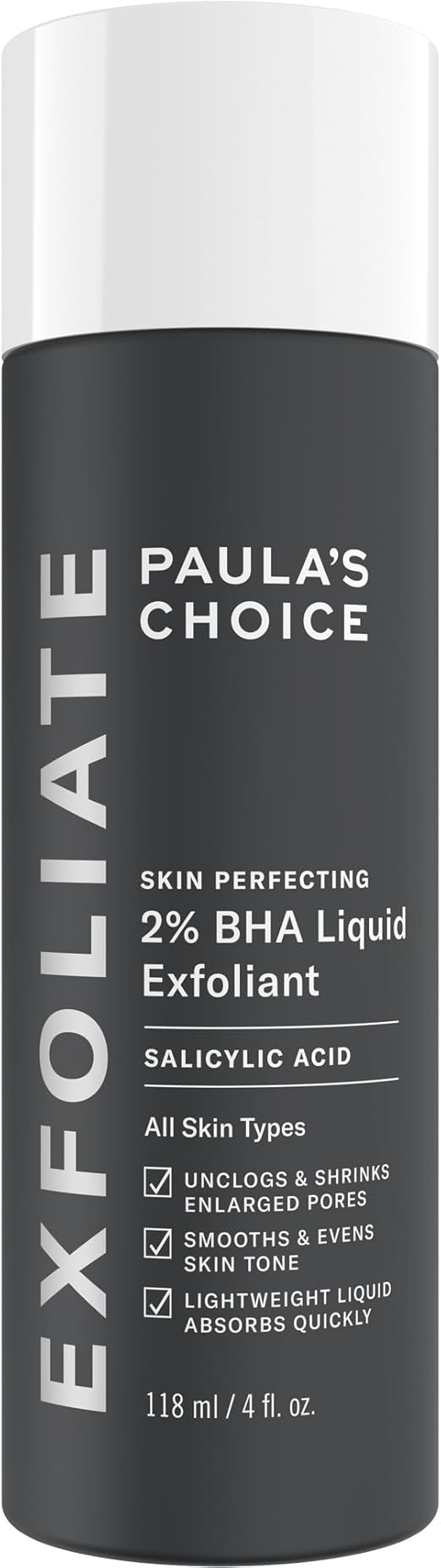
- Exfoliation: Paula's Choice 2% BHA Liquid Exfoliant — clears clogged pores without irritation, ~$37
- Brightening on a budget: The Ordinary Niacinamide 10% + Zinc 1% — proven barrier support for ~$6
- Sun protection: EltaMD UV Clear SPF 46 — fragrance-free, niacinamide-infused, no white cast
- Antioxidant gold standard: SkinCeuticals C E Ferulic — the original L-ascorbic acid + vitamin E formula
- Resurfacing: Sunday Riley Good Genes — 10% lactic acid for gentle nighttime renewal
- Hydration boost: COSRX Snail 96 Mucin Essence — K-beauty barrier support, ~$19
- Dark spot treatment: Kiehl's Clearly Corrective Dark Spot Solution — stabilized vitamin C, ~$89
This article contains affiliate links. If you purchase through our links, GlowScienceHQ may earn a commission at no additional cost to you. All recommendations are independently researched and reflect our honest editorial opinion.
Affiliate Disclosure
Discussion
Sign in with GitHub to leave a comment. Your replies are stored on this site's public discussion board.