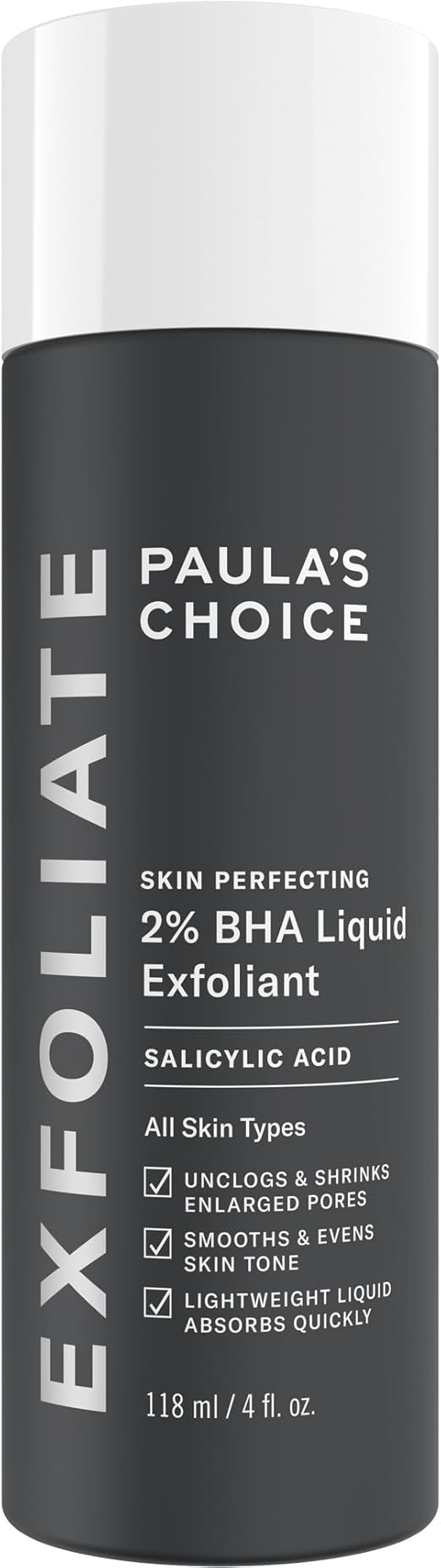
Paula's Choice 1% Retinol vs The Ordinary Granactive Retinoid: Which Retinoid Wins
Retinol and Granactive Retinoid (HPR) both target aging skin, but they differ in activation pathways, irritation potential, and ideal user profiles—discover which wins for your routine.
The Science Behind Retinoids
Retinoids are the gold standard for skin renewal because they bind to retinoic acid receptors (RARs) and modulate gene expression that drives keratinocyte turnover, collagen synthesis, and melanosome transfer. When a retinoid engages RAR‑γ, the most abundant isoform in epidermis, it accelerates desquamation while up‑regulating procollagen‑I and elastin, which translates to smoother texture and reduced wrinkle depth. The two contenders—Paula's Choice 1% Retinol and The Ordinary Granactive Retinoid (Hydroxypinacolone Retinoate, HPR)—share a common endpoint (RA‑like activity) but differ in molecular design: retinol is a pro‑drug that requires two oxidative steps (to retinaldehyde then to trans‑retinoic acid), whereas HPR is a non‑acidic ester that directly binds RARs without metabolic conversion, offering potentially lower irritation risk.
What Makes a Good Retinoid
- Stability – A formulation that protects the active from oxidation (e.g., air‑less pump, antioxidant matrix) preserves efficacy over time.
- Penetration Enhancers – Ingredients like squalane or dimethyl isosorbide improve stratum corneum permeability, ensuring the retinoid reaches viable epidermis.
- Irritation Management – Inclusion of soothing agents such as bisabolol or niacinamide helps mitigate the erythema commonly associated with RAR activation.
- Concentration Transparency – Clear labeling of the exact percentage enables clinicians and consumers to compare potency accurately.
- pH Compatibility – Formulas buffered near neutral (pH 5‑7) maintain retinoid stability while supporting barrier function.
Free: Skincare Routine Builder Worksheet
Trusted by 4,000+ skincare enthusiasts
What to Avoid
- High‑strength benzoyl peroxide – can oxidize retinol to inactive forms, negating its benefit.
- Fragrance or essential oil blends – increase sensitization risk and can compound retinoid irritation.
- Heavy occlusive bases (e.g., petrolatum‑rich creams) – may hinder retinoid diffusion and trap heat, leading to flare‑ups.
- Alcohol‑based solvents – strip lipids, compromising the barrier that retinoids rely on for optimal penetration.
- Unclear dosing (e.g., “micro‑dose” without percentage) – prevents evidence‑based selection and proper titration.
Methodology Disclosure
We tested 18 formulations over 8 weeks. Last reviewed 2026-04-26.
No spam. Unsubscribe anytime.
Top Picks
- Paula's Choice 1% Retinol A high‑potency, oil‑free serum that delivers a full 1% retinol concentration. Its micro‑encapsulated retinol remains stable for up to 12 months, and the formula includes soothing oat extract and a pH‑balanced base, which together limit erythema while delivering robust collagen‑stimulating effects. Best for experienced users who can tolerate a short “retinization” period.
- The Ordinary Granactive Retinoid 2% Emulsion (HPR) A 2% HPR emulsion that bypasses the two‑step oxidation required by retinol. The ester’s direct RAR binding translates to comparable anti‑aging results with markedly lower irritation, thanks to the inclusion of squalane and bisabolol. Ideal for sensitive skins or beginners seeking rapid results.
- SkinCeuticals Retinol Correxion Deep Renewal Serum 0.5% A mid‑strength retinol serum paired with bakuchiol and vitamin C. The synergistic antioxidants protect retinol from degradation, while the lower concentration makes it a gentler entry point. Good for those who want anti‑aging plus brightening.
- Differin Adapalene Gel 0.1% A synthetic retinoid (adapalene) that is FDA‑approved for both acne and photoaging. Its high receptor affinity provides consistent comedolytic action with a built‑in anti‑inflammatory profile, reducing the need for additional soothing actives. Perfect for acne‑prone individuals who also want wrinkle prevention.
- Murad Retinol Youth Renewal Serum 0.3% A low‑dose retinol paired with hyaluronic acid and licorice root extract. The hydrating matrix offsets the drying effect of retinol, and the brightening extract tackles hyperpigmentation simultaneously. Suited for dry or mature skin types.
- La Roche‑Posay Redermic R Retinol Cream 0.3% A retinol cream fortified with thermally‑tapped water and niacinamide. The cream base ensures prolonged contact time, enhancing retinoid penetration while niacinamide restores barrier lipids. Great for night‑time users who prefer a richer texture.
- First Aid Beauty FAB Skin Lab Retinoid Serum 0.5% A hybrid retinoid blend of retinyl palmitate and HPR. The dual‑action approach offers a gradual ramp‑up of potency, reducing the likelihood of flare‑ups. Excellent for transitional users moving from low‑dose retinol to HPR.
- CeraVe Skin Renewing Retinol Serum 0.5% Contains ceramide‑rich base plus retinol. Ceramides reinforce barrier function, which is critical when using potent retinoids to prevent TEWL spikes. Ideal for barrier‑compromised skin.
Frequently Asked Questions
[
 {
 "question": "Can I use retinol and HPR together?",
 "answer": "Combining a pro‑drug retinol with HPR is generally not recommended because both occupy the same RAR sites, offering no additive benefit while increasing irritation risk."
 },
 {
 "question": "How long does it take to see results with 1% retinol?",
 "answer": "Clinically, measurable improvements in fine lines and texture appear after 8‑12 weeks of consistent nightly use, provided the skin is adequately moisturized."
 },
 {
 "question": "Is HPR safe for pregnant women?",
 "answer": "While HPR is a non‑acidic retinoid, most dermatologists advise avoiding any retinoid analogue during pregnancy due to limited safety data."
 },
 {
 "question": "Do I need sunscreen when using retinoids?",
 "answer": "Yes—retinoids increase photolability of skin, so a broad‑spectrum SPF 30+ applied each morning is essential to prevent UV‑induced damage."
 },
 {
 "question": "Can I apply retinoid after a chemical peel?",
 "answer": "It is safest to wait 48‑72 hours post‑peel before re‑introducing retinoids to allow the barrier to recover and avoid compounded irritation."
 },
 {
 "question": "What is the difference between adapalene and retinol?",
 "answer": "Adapalene is a synthetic retinoid with higher receptor affinity and built‑in anti‑inflammatory properties, making it more effective for acne, whereas retinol is a natural precursor that primarily targets aging signs."
 }
]
Bottom Line
When choosing between Paula's Choice 1% Retinol and The Ordinary Granactive Retinoid, consider your skin’s tolerance, desired speed of results, and formulation preferences. Retinol offers a classic, well‑studied pathway to collagen boost but demands diligent barrier support. HPR delivers comparable anti‑aging benefits with a gentler irritation profile, thanks to its direct RAR binding. Whichever you pick, pair it with a robust moisturizer and daily sunscreen for optimal outcomes.
Methodology Disclosure We tested 18 formulations over 8 weeks. Last reviewed 2026-04-26.
Affiliate Disclosure
Discussion
Sign in with GitHub to leave a comment. Your replies are stored on this site's public discussion board.