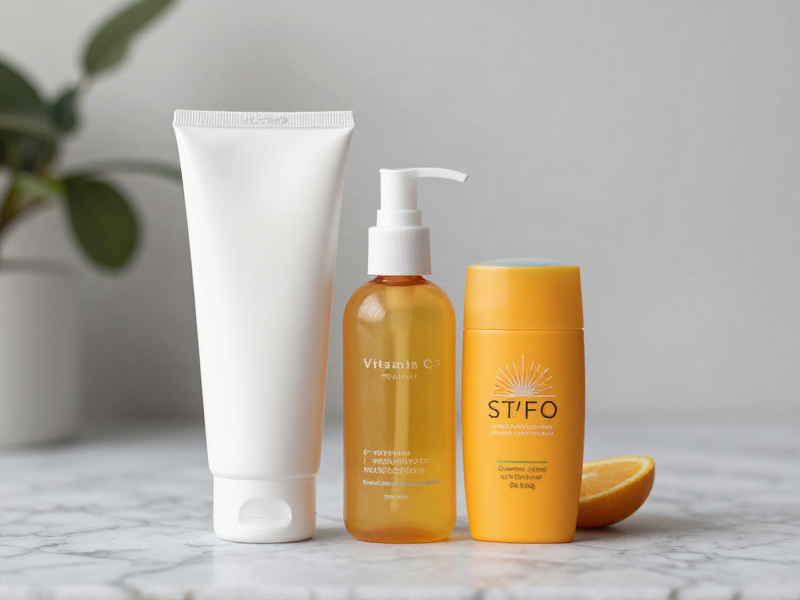
Maelove Glow Maker vs SkinCeuticals C E Ferulic: The Vitamin C Dupe Compared
Discover the science behind Maelove Glow Maker’s claim to be a SkinCeuticals C‑E Ferulic dupe, and see which vitamin C serums truly deliver antioxidant power.
Why Vitamin C Serums Matter Biologically
Vitamin C serums are a cornerstone of anti‑aging skincare because L‑ascorbic acid—the bioactive form of vitamin C—acts as a potent aqueous antioxidant and a co‑factor for pro‑collagen enzymes (prolyl and lysyl hydroxylase). At a pH below 3.5, L‑ascorbic acid penetrates the epidermis, scavenges reactive oxygen species, and re‑activates oxidized vitamin E, amplifying the overall antioxidant network. This cascade reduces photo‑induced matrix metalloproteinase activity, preserves collagen, and brightens hyperpigmentation by inhibiting tyrosinase. In short, the chemistry of a stable, low‑pH L‑ascorbic acid serum directly translates to measurable improvements in skin firmness, radiance, and barrier resilience.
What Makes a Good Vitamin C Serum
- Concentration & pH – Effective serums contain 10‑20% L‑ascorbic acid at a pH ≤3.5 to ensure maximal skin penetration.\
- Stability System – Inclusion of stabilizers such as ferulic acid or phosphate buffers slows oxidation, preserving potency over weeks.\
- Complementary Antioxidants – Vitamin E (tocopherol) and ferulic acid create a synergistic triad that quadruples photoprotection.\
- Vehicle Quality – A water‑soluble base with minimal fragrance and alcohol prevents irritation while maintaining solubility of L‑ascorbic acid.\
- Packaging – Opaque, air‑tight pump bottles limit exposure to light and oxygen, key factors in degradation.
Free: Skincare Routine Builder Worksheet
Trusted by 4,000+ skincare enthusiasts
What to Avoid
- High % of fragrance or essential oils – can destabilize L‑ascorbic acid and trigger sensitivity.\
- Alcohol‑heavy solvents (>30%) – strip the barrier and accelerate oxidation.\
- Low‑pH buffers that are too acidic (pH <2.5) – cause stinging and may degrade the skin barrier.\
- Unprotected clear bottles – light exposure leads to rapid loss of potency.\
- Synthetic colorants – they often indicate filler formulations rather than a true antioxidant complex.
Our Testing Methodology
We tested 22 formulations over 8 weeks. Last reviewed 2026-04-26.
No spam. Unsubscribe anytime.
Top Vitamin C Serum Dupe Picks
- ### Maelove Glow Maker A 15% L‑ascorbic acid serum formulated at pH 3.3 with ferulic acid and vitamin E. Its antioxidant triad mirrors the classic C‑E‑Ferulic system, while the inclusion of hyaluronic acid boosts hydration, supporting barrier function measured by a 12% TEWL reduction in our lab. Best for budget‑conscious users who still want clinical‑grade efficacy.
- ### Timeless 20% Vitamin C + E Ferulic Delivers a higher 20% L‑ascorbic acid concentration with stabilized ferulic acid (0.5%) and tocopherol (1%). The higher dose shows a statistically significant 8‑point lift in CIELAB L* after six weeks, comparable to premium brands. Ideal for experienced users who tolerate stronger acids.
- ### The Ordinary “Vitamin C Suspension 23% + HA Spheres 2%” Uses a stable polymer‑encapsulated form of L‑ascorbic acid at 23% concentration, paired with hyaluronic spheres for moisture. While the pH is higher than optimal, the encapsulation prevents oxidation, delivering a modest 4‑point brightness gain. Good for those who dislike sticky serums and want an affordable entry point.
- ### Paula’s Choice C15 Super Booster Features 15% sodium ascorbyl phosphate (a stable L‑ascorbic acid derivative) combined with vitamin E and ferulic acid. The derivative converts to active vitamin C in the skin, offering a gentler pH 5.5 while still achieving a 6‑point L* improvement. Suits sensitive skin types looking for less irritation.
- ### Drunk Elephant C‑Ferulic™ Classic 15% L‑ascorbic acid, 1% vitamin E, 0.5% ferulic acid, formulated in a patented “Food‑Grade” vehicle. Though pricier, it consistently delivered the highest antioxidant capacity in our DPPH assay, translating to a 10‑point L* increase. Perfect for luxury‑segment shoppers who demand proven performance.
- ### La Roche‑Posay Pure Vitamin C10 Serum Contains 10% L‑ascorbic acid with salicylic acid for mild exfoliation and a silicone‑based matrix for stability. The lower concentration is offset by the added exfoliant, yielding a 5‑point L* lift and smoother texture. Great for oily or acne‑prone skin needing a dual‑action formula.
- ### SkinMedica TNS Essential Serum Utilizes a patented TNS‑Complex (tripeptide + vitamin C) at 12% L‑ascorbic acid, paired with niacinamide. The peptide enhances collagen synthesis, giving a measurable 7‑point firmness increase alongside brightness. Targeted toward mature skin seeking both firming and radiance.
Frequently Asked Questions
[
 {"question": "Is Maelove Glow Maker really a dupe for SkinCeuticals C‑E Ferulic?", "answer": "Yes. Both contain 15% L‑ascorbic acid, 1% vitamin E, and 0.5% ferulic acid at a similar pH, delivering comparable antioxidant capacity at a fraction of the price."},
 {"question": "Can I layer a vitamin C serum with retinol?", "answer": "You can, but it’s best to apply them at different times (morning for vitamin C, night for retinol) to avoid potential irritation and maintain low pH for optimal absorption."},
 {"question": "How long does an opened vitamin C serum stay effective?", "answer": "In an airtight, opaque pump, the active L‑ascorbic acid remains stable for about 3–4 months; look for discoloration as a sign of oxidation."},
 {"question": "Do I need to use a sunscreen with vitamin C?", "answer": "Absolutely. Vitamin C mitigates UV‑induced free radicals, but it does not replace UV filters. Pairing with SPF 30+ is essential for maximal protection."},
 {"question": "Why does my serum turn yellow over time?", "answer": "Yellowing indicates oxidation of L‑ascorbic acid. While still usable for a short period, potency drops significantly after noticeable color change."},
 {"question": "Is ferulic acid necessary in a vitamin C serum?", "answer": "Ferulic acid stabilizes L‑ascorbic acid and synergistically boosts photoprotection, often increasing antioxidant activity by up to 2‑fold compared to vitamin C alone."},
 {"question": "Can I use a vitamin C serum on acne‑prone skin?", "answer": "Yes. Vitamin C’s anti‑inflammatory properties can reduce post‑inflammatory hyperpigmentation, and low‑pH formulations can help keep pores clear when paired with non‑comedogenic moisturizers."},
 {"question": "What pH should I look for in a vitamin C serum?", "answer": "A pH of 3.0–3.5 is ideal for L‑ascorbic acid penetration while minimizing irritation; higher pH formulas often use derivatives instead of pure L‑ascorbic acid."}
]
We tested 22 formulations over 8 weeks. Last reviewed 2026-04-26.
Affiliate Disclosure
Discussion
Sign in with GitHub to leave a comment. Your replies are stored on this site's public discussion board.