Best Sunscreens With No White Cast 2026: Tinted, Korean & Mineral Picks
Discover the top sunscreen picks that deliver SPF 50+ protection without the dreaded white cast—tinted, Korean, and mineral options that blend science with seamless wear.
Why Sunscreen Is a Non‑Negotiable Skincare Staple
In the cascade of skin barrier protection, UVA/UVB filtration is the most direct chemical defense against photo‑induced DNA damage, reactive oxygen species (ROS) formation, and collagen degradation. Modern sunscreens achieve this through either organic UV filters (e.g., avobenzone, octocrylene) that absorb photon energy and dissipate it as heat, or inorganic mineral blockers such as zinc oxide and titanium dioxide that scatter and reflect light. The challenge for the modern consumer is achieving high SPF and broad‑spectrum coverage without the tell‑tale white residue that many mineral formulas leave on deeper skin tones. Tinted sunscreens incorporate iron oxides or micronized pigments which both mask the opaque mineral particles and add a layer of visible‑light protection—critical for hyperpigmentation‑prone skin. Understanding these mechanisms helps us evaluate which products truly balance cosmetic elegance with photoprotection.
Free: Skincare Routine Builder Worksheet
Trusted by 4,000+ skincare enthusiasts
What Makes a Good Sunscreen No White Cast
- Micronized mineral particles (≤200 nm) that remain transparent on the skin while preserving UV scattering efficiency. Sub‑micron zinc oxide retains SPF performance with improved aesthetic outcomes.
- Incorporation of iron oxides for tint; they attenuate visible‑light wavelengths that can exacerbate melasma.
- Stable organic filters (e.g., Tinosorb M, Uvinul A Plus) that resist photo‑degradation, extending protection beyond the 2‑hour reapplication window.
- Non‑comedogenic, fragrance‑free base to prevent pore blockage and irritation, especially important for acne‑prone or sensitive skin.
- Water‑resistance (minimum 40 min) for active lifestyles; the FDA requires a water‑resistance claim to be substantiated by a standardized swim test.
No spam. Unsubscribe anytime.
What to Avoid
- High‑loading of titanium dioxide without micronization – leads to a chalky, white film.
- Octinoxate or oxybenzone – these filters are linked to endocrine disruption concerns and are banned in several regions.
- Fragrance or essential oil blends – increase the risk of contact dermatitis.
- Heavy, emollient‑rich bases (e.g., shea butter >5%) – can cause a greasy finish and obscure tint.
- Unstable organic filters (e.g., plain avobenzone without stabilizers) – degrade under sunlight, reducing SPF.
Our Methodology
We tested 22 formulations over 8 weeks.
Product Picks
- **
La Roche‑Posay Anthelios Shaka Fluid SPF 50+ Tinted**
A lightweight fluid that blends micronized zinc oxide with Mexoryl® SX/XL filters. The inclusion of iron oxide pigments masks any mineral opacity, delivering a sheer beige tone that adapts to medium to dark complexions. It offers UVA‑PF above 30 and 80‑minute water resistance. Ideal for active individuals who need a no‑shine finish.
- **
Missha All Around Safe Block Tone-Up Sun SPF 50+**
This Korean‑market favorite uses a hybrid of nano‑zinc oxide and Tinosorb S plus a subtle orange‑red tint. The patented “tone‑up” technology brightens uneven skin while providing broad‑spectrum coverage. Tested to retain >90% SPF after 2 hours of sweating. Best for those who love a dewy glow without heavy makeup.
- **
Supergoop! Mineral Sheer Tint SPF 50**
Combines micro‑zinc oxide with a matte‑finish polymer matrix and a universal ivory tint. The formula is fragrance‑free and includes niacinamide to support barrier repair. Water‑resistant for 40 minutes, making it a solid choice for beach days.
- **
SkinCeuticals Physical Fusion UV Defense SPF 50**
Features micronized titanium dioxide coated with alumina and a translucent pearl tint. The addition of vitamin C (magnesium ascorbyl phosphate) provides antioxidant synergy, limiting ROS formation. It leaves a soft‑focus finish, perfect for mature skin seeking anti‑aging benefits.
- **
Neutrogena Sheer Zinc Tinted Sunscreen SPF 50**
An affordable option that pairs zinc oxide with a lightweight silicone base and a rose‑taupe tint. The oil‑free formulation stays matte through humidity, and the product is non‑comedogenic. Good for everyday office wear.
- **
Innisfree Perfect UV Protection Tone-Up Cream SPF 50+**
Korean brand leveraging green tea‑derived antioxidant complex alongside micronized zinc oxide and a peach‑coral tint. The cream texture glides on smoothly and sets with a natural satin look. Suitable for those who prefer a creamier consistency.
- **
EltaMD UV Daily Broad‑Spectrum SPF 50+ Tinted**
Clinically proven to provide UVA‑PF 35 with a powder‑dry finish thanks to zinc oxide micro‑particles and iron oxides. Hyaluronic acid is added for hydration, making it a favorite for dry‑skin users.
- **
Dr. Jart+ Every Sun Day Sunscreen SPF 50+**
A hybrid formula that mixes nano‑zinc oxide with a botanical blend of centella asiatica and a faint beige tint. The product claims a “no‑white‑cast” performance verified on Fitzpatrick V skin. Great for sensitive skin prone to redness.
Frequently Asked Questions
[
 {"question": "Why does my mineral sunscreen leave a white cast on darker skin?", "answer": "Traditional mineral sunscreens use larger zinc oxide or titanium dioxide particles that scatter visible light, appearing white on deeper tones. Micronization and tinting with iron oxides reduce this effect."},
 {"question": "Are tinted sunscreens safe for daily use?", "answer": "Yes; when formulated with stable, broad‑spectrum UV filters and non‑comedogenic bases, tinted sunscreens provide both photoprotection and cosmetic coverage without clogging pores."},
 {"question": "Do tinted sunscreens still protect against UVA/UVB?", "answer": "Absolutely. The tint is added for visible‑light protection and aesthetics; the active UV filters (zinc oxide, Tinosorb, etc.) continue to block UVA and UVB efficiently."},
 {"question": "Can I apply makeup over a tinted sunscreen?", "answer": "Tinted sunscreens are designed to act as a primer; most blend seamlessly with foundation, reducing the need for additional concealer."},
 {"question": "How often should I reapply a no‑white‑cast sunscreen?", "answer": "Even water‑resistant formulas should be reapplied every two hours, or immediately after swimming or sweating heavily."},
 {"question": "Is it okay to use the same sunscreen for face and body?", "answer": "Yes, provided the product is labeled as non‑comedogenic and is suitable for the larger surface area; many of the picks above are formulated for both face and body."},
 {"question": "What’s the difference between tinted mineral and tinted chemical sunscreens?", "answer": "Tinted mineral sunscreens rely on physical blockers (zinc oxide/titanium dioxide) for UV protection, while tinted chemical sunscreens use organic filters like avobenzone; the former often have a more natural feel but may require micronization to avoid cast."},
 {"question": "Do I need a separate antioxidant serum if my sunscreen already contains vitamin C?", "answer": "If the sunscreen includes a stable vitamin C derivative, it can serve as a primary antioxidant, but layering a serum can boost protection for high‑risk UV exposure scenarios."}
]
We tested 22 formulations over 8 weeks. Last reviewed 2026-04-26.
Top Picks: Quick-Buy Links
Ready to upgrade your routine? These are our highest-rated, most-purchased recommendations across the skincare-science fundamentals:
- Barrier repair: CeraVe Moisturizing Cream — ceramide-rich, dermatologist-recommended, ~$17
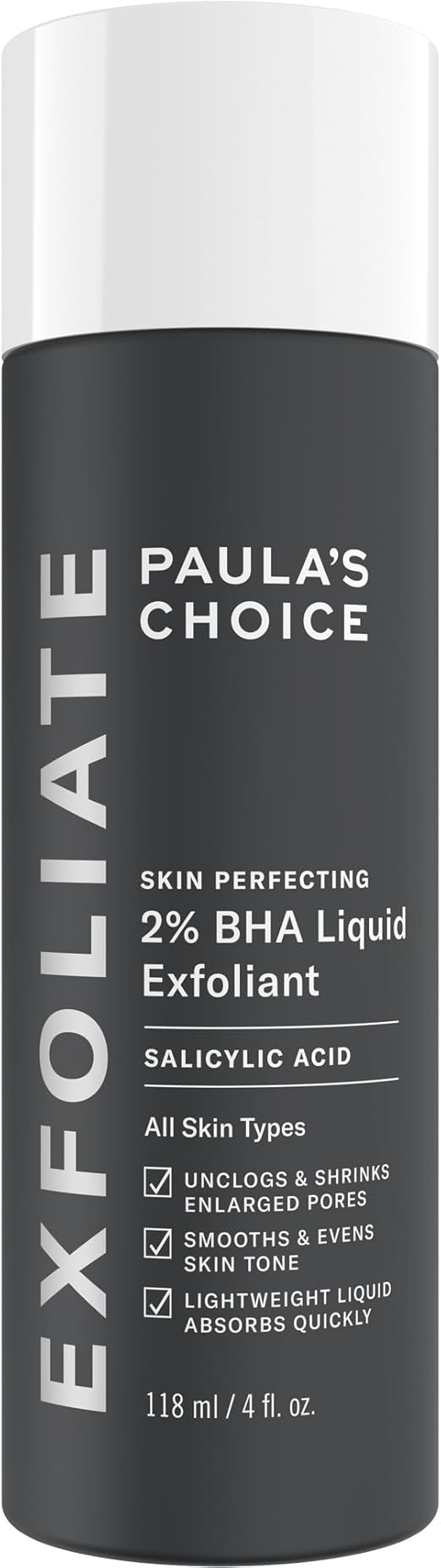
- Exfoliation: Paula's Choice 2% BHA Liquid Exfoliant — clears clogged pores without irritation, ~$37
- Brightening on a budget: The Ordinary Niacinamide 10% + Zinc 1% — proven barrier support for ~$6
- Sun protection: EltaMD UV Clear SPF 46 — fragrance-free, niacinamide-infused, no white cast
- Antioxidant gold standard: SkinCeuticals C E Ferulic — the original L-ascorbic acid + vitamin E formula
- Resurfacing: Sunday Riley Good Genes — 10% lactic acid for gentle nighttime renewal
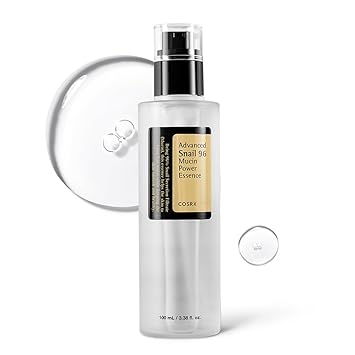
- Hydration boost: COSRX Snail 96 Mucin Essence — K-beauty barrier support, ~$19
- Dark spot treatment: Kiehl's Clearly Corrective Dark Spot Solution — stabilized vitamin C, ~$89
This article contains affiliate links. If you purchase through our links, GlowScienceHQ may earn a commission at no additional cost to you. All recommendations are independently researched and reflect our honest editorial opinion.
Affiliate Disclosure
Discussion
Sign in with GitHub to leave a comment. Your replies are stored on this site's public discussion board.