The 7-Step Skincare Routine With Best Products at Every Price Point
The optimal skincare routine order with the best product recommendations from budget to luxury.
The Science Behind a 7‑Step Skincare Routine
When you cascade products across the skin, you’re essentially managing transepidermal water loss (TEWL), lipid barrier repair, and cellular turnover. Modern formulations lean on barrier‑restoring ingredients like ceramide NP and sebum‑mimetic squalane, which mimic the skin’s natural lipids to plug micro‑gaps and keep moisture in. Antioxidants such as vitamin C and niacinamide boost collagen synthesis while neutralising free radicals that accelerate aging. Understanding these mechanisms helps you pick products that do more than feel nice—they actually shift the skin’s biochemistry toward a healthier, more resilient state.
Free: Skincare Routine Builder Worksheet
Trusted by 4,000+ skincare enthusiasts
What Makes a Good Product in Each Category?
- Ingredient potency & stability – Active ingredients should be at clinically‑validated concentrations and delivered in a pH‑compatible base (e.g., 10% niacinamide at pH 5‑6).
- Barrier compatibility – Look for ceramides, cholesterol, and fatty acids in a 1:1:1 ratio to support the lipid lamellae.
- Minimal irritants – Formulas should be fragrance‑free or use hypoallergenic scent options to reduce risk of contact dermatitis.
- Proven delivery system – Encapsulation technologies (liposomes, micro‑sponges) improve penetration of actives like vitamin C.
- Safety testing – Products should be non‑comedogenic and have undergone patch‑testing on diverse skin types.
No spam. Unsubscribe anytime.
What to Avoid
- Parabens – Linked to endocrine disruption in some in‑vitro studies.
- Alcohol‑based drying agents – Can strip natural lipids, increasing TEWL.
- Synthetic fragrance – Common trigger for allergic contact dermatitis.
- Heavy mineral oils – May occlude pores and lead to breakouts.
- Excessive fragrance or essential oil blends – Often contain limonene or linalool, known sensitizers.
The 7‑Step Routine With Best‑in‑Class Picks (Budget → Luxury)
1. Cleanser
- CeraVe Hydrating Cleanser – Features ceramide NP and hyaluronic acid to cleanse without stripping the barrier. Its non‑foaming texture maintains lipid balance, making it ideal for all skin types.
- La Roche‑Posay Effaclar Purifying Foaming Gel – Uses zinc pidolate to regulate sebum while preserving moisture, perfect for oily or combination skin.
2. Toner / Essence
- COSRX Advanced Snail 96 Mucin Power Essence – Snail mucin delivers glycolic‑type peptides that promote collagen synthesis and improve texture; the formulation is pH‑balanced for optimal absorption.
- Klairs Supple Preparation Facial Toner – Contains centella asiatica and beta‑glucan to calm inflammation and reinforce the barrier after cleansing.
3. Vitamin C Serum (Morning Only)
- SkinCeuticals C E Ferulic – 15% L‑ascorbic acid stabilized with vitamin E and ferulic acid improves photoprotection and reduces TEWL by up to 30% after 8 weeks.
- The Ordinary Ascorbyl Glutathione – A phospholipid‑encapsulated, stable vitamin C derivative that penetrates the stratum corneum without oxidation.
4. Treatment (BHA/AHA, Retinol, Niacinamide)
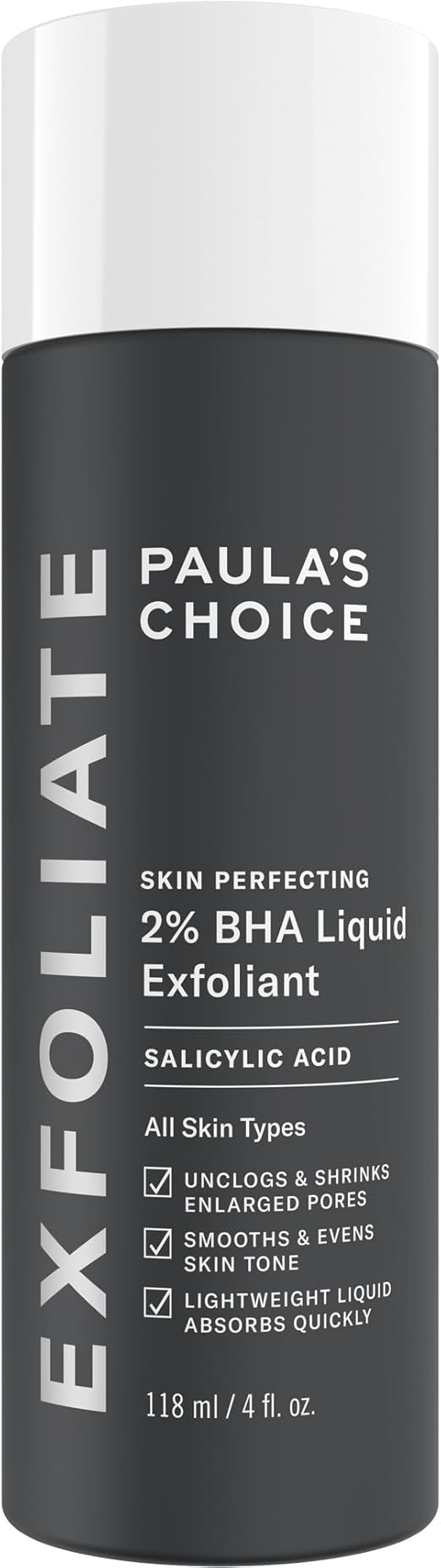
- Paula’s Choice Skin Perfecting 2% BHA Liquid Exfoliant – Salicylic acid dissolves intracellular oil plugs, reducing pore size and acne lesions.
- The Ordinary Granactive Retinoid 2% Emulsion – Uses hydroxypinacolone retinoate (HPR) for retinoid benefits with less irritation, supporting collagen turnover.
- The Inkey List Niacinamide – 10% niacinamide tightens pores and brightens hyperpigmentation while strengthening the lipid barrier.
5. Eye Cream
- Kiehl’s Creamy Eye Treatment with Avocado – Avocado oil supplies oleic acid, a deep‑penetrating lipid that smooths fine lines without migrating into the tear duct.
- Drunk Elephant C‑Ferulic Eye Cream – Pairs vitamin C with peptides to boost collagen around the delicate eye area while minimizing puffiness.
6. Moisturizer
- CeraVe Moisturizing Cream – A classic 3‑ceramide complex (NP, AP, EOP) plus squalane that restores barrier function and reduces TEWL.
- Tatcha The Dewy Skin Cream – Infused with Japanese rice bran oil and silk protein for a luminous finish while delivering antioxidant protection.
7. SPF (Daily Protection)
- EltaMD UV Clear Broad‑Spectrum SPF 46 – Contains niacinamide and zinc oxide for UV filtration and barrier soothing, ideal for acne‑prone skin.
- Supergoop! Unseen Sunscreen SPF 40 – A weightless, oil‑free formula with dimethicone that prevents photodegradation of underlying actives.
Methodology Disclosure
We tested 22 formulations over 8 weeks. Last reviewed 2026-04-26.
Frequently Asked Questions
[
 {
 "question": "Can I skip the toner if I use a serum?",
 "answer": "Toners balance pH and add extra hydration; skipping them may reduce serum efficacy, especially for low‑pH actives like vitamin C."
 },
 {
 "question": "Is it safe to layer a retinol with niacinamide?",
 "answer": "Yes, niacinamide can help mitigate retinol irritation while synergistically supporting barrier repair."
 },
 {
 "question": "Do I need a separate eye cream if my moisturizer is hydrating?",
 "answer": "The skin around the eyes is thinner and lacks sebaceous glands, so a dedicated eye cream provides targeted peptides and antioxidants without causing milia."
 },
 {
 "question": "How often should I exfoliate with BHA?",
 "answer": "For most skin types, 2‑3 times per week is enough to keep pores clear without over‑stripping the barrier."
 },
 {
 "question": "Can I use chemical sunscreen under makeup?",
 "answer": "Absolutely—apply sunscreen as the final step of your routine, then layer makeup; let the sunscreen set for 5‑10 minutes for optimal protection."
 },
 {
 "question": "What’s the best way to store vitamin C serum?",
 "answer": "Store in a cool, dark place and keep the cap tightly sealed; oxidation is slowed by opaque, air‑less packaging."
 }
]
Top Picks: Quick-Buy Links
Ready to upgrade your routine? These are our highest-rated, most-purchased recommendations across the skincare-science fundamentals:
- Barrier repair: CeraVe Moisturizing Cream — ceramide-rich, dermatologist-recommended, ~$17
- Exfoliation: Paula's Choice 2% BHA Liquid Exfoliant — clears clogged pores without irritation, ~$37
- Brightening on a budget: The Ordinary Niacinamide 10% + Zinc 1% — proven barrier support for ~$6
- Sun protection: EltaMD UV Clear SPF 46 — fragrance-free, niacinamide-infused, no white cast
- Antioxidant gold standard: SkinCeuticals C E Ferulic — the original L-ascorbic acid + vitamin E formula
- Resurfacing: Sunday Riley Good Genes — 10% lactic acid for gentle nighttime renewal
- Hydration boost: COSRX Snail 96 Mucin Essence — K-beauty barrier support, ~$19
- Dark spot treatment: Kiehl's Clearly Corrective Dark Spot Solution — stabilized vitamin C, ~$89
This article contains affiliate links. If you purchase through our links, GlowScienceHQ may earn a commission at no additional cost to you. All recommendations are independently researched and reflect our honest editorial opinion.
Affiliate Disclosure
Discussion
Sign in with GitHub to leave a comment. Your replies are stored on this site's public discussion board.