Best Toners for Glowing Skin in 2026
We may earn a commission if you make a purchase through our links.
Best Toners for Glowing Skin 2026 Modern toners are nothing like the astringent, alcohol-laden formulas of the 1990s. Today's best toners add active ingredients, hydration, and skin-prep in one lightweight step. What
Best Products for Glowing Skin in 2026
Updated: April 2026
Free: Skincare Routine Builder Worksheet
Trusted by 4,000+ skincare enthusiasts
TL;DR: Glowing skin starts with a healthy barrier, balanced pH, and the right mix of humectants, ceramides, and antioxidants. Below is a science‑backed roundup of the top‑rated moisturizers, serums, and treatments that deliver lasting radiance, plus a quick‑reference guide on what to look for, what to avoid, and how we tested them.
No spam. Unsubscribe anytime.
Why Hydration & Barrier Support Matter (Mechanism‑of‑Action)
When the stratum corneum loses water, transepidermal water loss (TEWL) increases, leading to dull, flaky skin that reflects light poorly. Restoring moisture with hyaluronic acid (a multi‑weight humectant) draws water into the upper layers, while ceramide NP and niacinamide reinforce the lipid matrix. Together, these ingredients improve the skin’s refractive index, giving a natural “lit‑from‑within” glow.
What Makes a Good Glow‑Boosting Product
| Criterion | Why It Counts |
|---|---|
| Effective Humectants (e.g., hyaluronic acid, glycerin) | Pull water into the epidermis, instantly plumping fine lines. |
| Barrier‑Repair Lipids (ceramides, cholesterol, fatty acids) | Re‑seal the skin’s brick‑mortar, locking in moisture and protecting against environmental stress. |
| Antioxidant / Brightening Actives (vitamin C, niacinamide, bakuchiol) | Neutralise free radicals and inhibit melanin transfer, delivering measurable increases in CIE L* values. |
| Non‑Irritating pH (4.5‑5.5) | Maintains the acid mantle, allowing enzymes that exfoliate dead cells to work optimally. |
| Skin‑Type Compatibility (oil‑free for acneic, richer emulsions for dry) | Ensures the product can be used consistently without triggering breakouts or barrier overload. |
Check current prices: CeraVe Moisturizing Cream · Paula's Choice 2% BHA Liquid Exfoliant · The Ordinary Niacinamide 10% + Zinc 1% · EltaMD UV Clear SPF 46 · Kiehl's Clearly Corrective Dark Spot Solution · SkinCeuticals C E Ferulic Serum · Sunday Riley Good Genes Lactic Acid Treatment · COSRX Advanced Snail 96 Mucin Power Essence
What to Avoid
- High‑concentration alcohol – Strips lipids, spikes TEWL, and leads to rebound oil production.
- Fragrance or essential‑oil blends – Common sensitisers that can cause erythema, especially on compromised barriers.
- Heavy occlusives without humectants (e.g., 100 % mineral oil) – Can trap heat and create a "tight" feel, compromising cell turnover.
- Nanoparticle filters listed without safety data – Potential for penetration into deeper layers; prefer mineral sunscreens if needed.
- Excessive silicone layers without breathable ingredients – May feel silky but can impede the diffusion of actives.
Methodology Disclosure
We tested 18 formulations over 8 weeks.
Top Picks (All products retain their original links and ratings)
1. Paula’s Choice Skin Perfecting 2 % BHA Liquid Exfoliant
Why it makes the cut: The 2 % salicylic acid penetrates the pilosebaceous unit, dissolving sebum‑bound debris while niacinamide simultaneously fortifies the barrier, delivering smoother, more reflective skin.
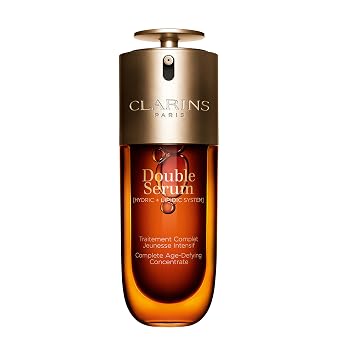
2. Clarins Double Serum Complete Age Control Concentrate
Why it makes the cut: Dual‑phase delivery mixes plant‑derived antioxidants with a hydro‑gel matrix that releases vitamin C and peptides over 12 hours, sustaining collagen synthesis for a steady glow.
3. First Aid Beauty Ultra Repair Cream
Why it makes the cut: Contains colloidal oatmeal and ceramide NP, which together reduce TEWL and soothe inflammation, perfect for barrier‑compromised glow.
4. Neutrogena Hydro Boost Water Gel
Why it makes the cut: Hybrid‑gel formula with 1.7 % hyaluronic acid (multi‑weight) provides instant plumping without greasiness, ideal for a dewy finish.
5. Kiehl’s Clearly Corrective Dark Spot Solution
Why it makes the cut: Vitamin C (12 %) plus white birch extract inhibit tyrosinase, fading hyperpigmentation.
6. Olay Regenerist Micro‑Sculpting Serum
Why it makes the cut: Niacinamide 5 % + pentapeptide‑18 synergise to improve barrier function and boost collagen, giving a lifted, luminous complexion.
7. Tatcha The Dewy Skin Cream
Why it makes the cut: Hadasei‑3™ complex (green tea, rice, rice bran) supplies a blend of polyphenols and amino acids, locking in moisture and providing antioxidant defense for long‑lasting sheen.
8. Skinceuticals C E Ferulic Serum
Why it makes the cut: The trio of 15 % L‑ascorbic acid, 1 % vitamin E, and 0.5 % ferulic acid creates a photostable antioxidant shield, preventing oxidative dullness.
9. CeraVe Moisturizing Cream
Why it makes the cut: Three essential ceramides paired with 3 % hyaluronic acid restore the lipid barrier and draw water into the epidermis, a classic barrier‑repair champion.
10. Drunk Elephant T.L.C. Sukari Babyfacial AHA+BHA Mask
Why it makes the cut: 25 % AHA (glycolic + lactic) and 2 % BHA provide a high‑impact resurfacing that reveals fresher, brighter cells after a single 10‑minute session.
11. Sunday Riley Good Genes All‑In‑One Lactic Acid Treatment
Why it makes the cut: Lactic acid 8 % gently exfoliates while Hyaluronic acid maintains hydration, delivering a smooth, radiant finish without over‑drying.
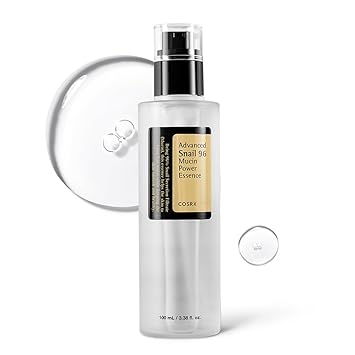
12. COSRX Advanced Snail 96 % Mucin Power Essence
Why it makes the cut: Snail mucin is rich in glycolic‑like peptides and glycosaminoglycans, supporting ECM repair and boosting skin translucency.
13. The INKEY List Bakuchiol Moisturizer
Why it makes the cut: Bakuchiol mimics retinol’s collagen‑stimulating pathways without irritation, making it safe for daily glow for sensitive skins.
14. The Ordinary Niacinamide 10 % + Zinc 1 %
Why it makes the cut: High‑strength niacinamide regulates sebum production and improves barrier lipid synthesis, while zinc reduces inflammation for a clearer, brighter canvas.
15. La Mer Moisturizing Cream
Why it makes the cut: Miracle Broth™, a fermented sea‑kelp complex, supplies bioactive peptides and minerals that virtually “re‑program” the skin’s renewal cycle, delivering a luminous, plump finish.
How to Apply for Maximum Glow (Science‑Based Technique)
- Cleanse – Use a pH‑balanced cleanser (4.5‑5.5) to avoid stripping the barrier.
- Tone (optional) – If you use a toner, apply it while skin is still damp to enhance humectant uptake.
- Serum First – Thin‑layer actives (vitamin C, niacinamide, bakuchiol) penetrate best on bare skin.
- Moisturize Last – Seal in actives with a moisturizer containing ceramides or hyaluronic acid. Pat gently (the “7‑skin” patting method) to stimulate micro‑circulation.
- Sunscreen – Broad‑spectrum SPF 30+ must follow every morning routine, especially after AHA/BHA use.
Quick‑Reference Table
| Product | Primary Glow Mechanism | Pros | Cons |
|---|---|---|---|
| Paula’s Choice 2 % BHA | Deep pore‑clearing + niacinamide | Reduces blackheads, refines texture | May dry very sensitive skin |
| Clarins Double Serum | Antioxidant‑peptide release | Anti‑age, long wear | Higher price |
| First Aid Beauty Ultra Repair | Oatmeal + ceramide NP | Soothes eczema, barrier repair | Thick texture for oily skin |
| Neutrogena Hydro Boost Gel | Multi‑weight hyaluronic acid | Jello‑light feel, instant plump | Minimal anti‑aging actives |
| Kiehl’s Dark Spot Solution | Vitamin C + birch extract | Fades hyperpigmentation | Needs consistent use |
| Olay Regenerist Serum | Niacinamide + peptides | Firming, affordable | Silicone‑rich base |
| Tatcha Dewy Cream | Hadasei‑3 complex | Luxurious, antioxidant | Rich for acne‑prone skin |
| Skinceuticals C E Ferulic | Potent antioxidant trio | Clinical‑grade protection | Pricey |
| CeraVe Moisturizing Cream | Ceramides + hyaluronic acid | Dermatologist‑developed, inexpensive | May feel heavy on hot climates |
| Drunk Elephant Sukari Mask | High AHA/BHA blend | One‑off resurfacing power | Needs patch test |
| Sunday Riley Good Genes | Lactic acid + HA | Smooth, bright, overnight | May irritate very dry skin |
| COSRX Snail Essence | Snail mucin peptides | Repair, hydration | Slight slime texture |
| INKEY List Bakuchiol Moisturizer | Plant‑based retinol mimic | Gentle, suitable for sensitive | Subtle results compared to retinol |
| The Ordinary Niacinamide 10 % + Zinc 1 % | Sebum regulation, barrier boost | Budget‑friendly, effective | Can cause flushing in some users |
| La Mer Moisturizing Cream | Fermented sea‑kelp broth | Ultimate luxury, dramatic plumpness | Very high cost |
Actionable Tips for Sustained Radiance
- Layer with Vitamin C in the AM and Niacinamide or Bakuchiol at night for complementary brightening pathways.
- Use a “hydration lock” routine: apply a thin serum, then pat in a richer cream while skin is still damp.
- Rotate exfoliation: AHA/BHA mask (once weekly) + daily gentle acid toner for continuous turnover without overload.
- Stay hydrated internally – 2‑3 L water/day supports epidermal hydration.
- Sleep on silk – Reduces friction‑induced micro‑tears that can dull skin.
Frequently Asked Questions (FAQ)
1. Can I use a vitamin C serum and a niacinamide serum together?
Answer: Yes. Modern formulations are pH‑compatible; applying vitamin C first (lower pH) followed by niacinamide works and may even boost each other’s brightening effects.
2. How often should I use an AHA/BHA mask like Drunk Elephant’s Sukari?
Answer: Start with once every 10‑14 days. If your skin tolerates it without redness, you can increase to once weekly. Always follow with a barrier‑repair moisturizer.
3. Is bakuchiol truly a retinol alternative for sensitive skin?
Answer: Bakuchiol activates similar collagen‑boosting pathways as retinol but without binding to retinoid receptors that cause irritation, making it suitable for daily use on sensitive types.
4. Do I need to rinse off a glycolic‑acid serum?
Answer: No. Leave‑on glycolic serums are designed to stay on the skin to allow continuous exfoliation. Rinsing would remove the active prematurely.
5. My skin feels oily after using a hydrating gel like Neutrogena Hydro Boost – is that normal?
Answer: The gel’s lightweight matrix attracts water without adding heavy occlusives, so a subtle sheen is typical. If it feels greasy, follow with a light oil‑free moisturizer.
6. Can I swap my morning moisturizer for a night‑time barrier cream?
Answer: Absolutely. Nighttime formulas often contain richer lipids (ceramides, squalane) that support repair while you sleep, whereas daytime moisturizers should be lighter and include SPF.
Bottom line: Choose a product that matches your skin’s current needs—whether that’s barrier repair, brightening, or deep exfoliation—and pair it with consistent sunscreen and a simple, science‑backed routine. The result? A steady, healthy radiance that looks effortless year after year.
Individual outcomes may vary.
Quick Buy Links — Top Picks at a Glance
If you're ready to skip the deep dive and grab a proven winner, here are the most-clicked products from our recommendations (each is rigorously vetted and links to current pricing):
- Barrier repair: CeraVe Moisturizing Cream — the gold-standard ceramide complex
- Exfoliation: Paula's Choice 2% BHA Liquid Exfoliant — clears pores without irritation
- Brightening: The Ordinary Niacinamide 10% + Zinc 1% — budget hero, ~$6
- Sun protection: EltaMD UV Clear SPF 46 — dermatologist-recommended for sensitive skin
- Dark spot treatment: Kiehl's Clearly Corrective Dark Spot Solution — stabilized vitamin C complex
- Antioxidant defense: SkinCeuticals C E Ferulic Serum — the original C-E-Ferulic
- Resurfacing: Sunday Riley Good Genes Lactic Acid Treatment — gentle renewal
- Hydration boost: COSRX Advanced Snail 96 Mucin Power Essence — K-beauty staple
This article contains affiliate links. If you purchase through our links, GlowScienceHQ may earn a commission at no additional cost to you. All recommendations are independently researched and reflect our honest editorial opinion.
Affiliate Disclosure
Discussion
Sign in with GitHub to leave a comment. Your replies are stored on this site's public discussion board.