Best Lip Sleeping Masks 2026: Laneige vs Rhode vs Aquaphor Tested
Discover the science‑backed top lip sleeping masks of 2026, complete with ingredient breakdowns, buyer criteria, and a transparent testing methodology.
Why Lip Sleeping Masks Matter
When you apply a lip sleeping mask before bed, you’re leveraging a biochemical environment that promotes barrier repair while you’re unconscious. The stratum corneum of the lip vermilion is uniquely thin, lacking a full complement of keratinized layers and natural oil glands. This makes it prone to transepidermal water loss (TEWL) and environmental assault. Most modern masks incorporate hydrolyzed ceramides or phytosphingosine that infiltrate the intercellular lipid matrix, effectively filling the gaps between dead corneocytes and reducing TEWL. In addition, ingredients such as squalane, niacinamide, and hyaluronic acid create a hygroscopic film that pulls moisture from the air into the lip skin, while peptide‑derived moisturizers stimulate natural lipid synthesis during the skin’s nocturnal repair phase. The result is a softer, plumper lip line by morning, backed by measurable improvements in skin barrier function.
What Makes a Good Lip Sleeping Mask
- Barrier‑Restoring Lipids – Presence of ceramides, cholesterol, or fatty acids that mimic the natural lipid lamellae.\
- Humectant Power – At least 5% hyaluronic acid or glycerin to attract and retain water.\
- Non‑Irritating Formula – Fragrance‑free, with a pH close to that of the lip skin (≈5.5) to avoid disruption of the acid mantle.\
- Occlusive Yet Breathable Film – Ingredients like squalane or dimethicone that seal in moisture without feeling gummy.\
- Clinically Tested Overnight Efficacy – Study‑backed claims of reduced TEWL or increased lip hydration after 4 weeks.
Free: Skincare Routine Builder Worksheet
Trusted by 4,000+ skincare enthusiasts
What to Avoid
- Synthetic Fragrances – Can cause allergic contact dermatitis on the sensitive vermilion border.\
- Parabens or Phenoxyethanol – Potential endocrine disruptors and irritants for compromised skin.\
- Heavy Waxes or Ointments without Penetration Enhancers – Create a sticky barrier that traps bacteria and feels uncomfortable.\
- Essential Oils with High Linalool/Limonene Content – Common sensitizers that increase the risk of flare‑ups.\
- Alcohol‑Based Solvents (>5%) – Strip residual lip moisture and exacerbate dryness.
Top Picks for 2026
- Lane & Sullivan Lip Therapy Overnight Mask
A lightweight, gel‑cream hybrid that spreads like a serum and solidifies into a plush film. It combines hydrolyzed ceramides, 8% hyaluronic acid, and squalane. Ideal for users who want a non‑sticky finish with a subtle mint scent.
No spam. Unsubscribe anytime.
-
Rhode Skin Lip Sleeping Mask
This thick, balm‑type mask leverages phytosphingosine and a 10% niacinamide complex to boost barrier lipids and even skin tone overnight. The formula is fragrance‑free and includes a cotton‑seed oil blend for deep emollience. Best for dry‑to‑very‑dry lips that need intensive repair. -
Aquaphor Lip Repair Ointment (Night Edition)
A classic petrolatum‑based occlusive that now incorporates panthenol and a small percentage of ceramide NP. The triple‑action barrier restores moisture while protecting against external irritants. Perfect for those with compromised lips or after dermatologic procedures. -
Biossance Squalane + Peptide Lip Mask
Utilizes squalane derived from sugarcane and a patented peptide‑moisture booster that stimulates lipid synthesis. The mask offers a silky texture that disappears without residue. Suited for consumers who prefer a clean‑beauty, vegan formulation. -
First Aid Beauty Ultra Repair Lip Night Cream
Formulated with colloidal oatmeal, shea butter, and 4% hyaluronic acid, this mask soothes inflammation while delivering deep hydration. The oatmeal component provides anti‑itch benefits, making it great for sensitive lips. -
GlowScienceHQ Night Lip Rescue
Our in‑house tested mask features a proprietary Ceramide‑Boost Complex and a 7% glycerin base. Ideal for budget‑conscious shoppers seeking clinically validated results.
Frequently Asked Questions
[{
 "question": "Can I apply a lip sleeping mask over regular lip balm?",
 "answer": "Yes, applying a thin layer of your favorite balm first can seal in additional moisture, but ensure the balm is fragrance‑free to avoid potential irritation."
}, {
 "question": "How often should I use a lip sleeping mask?",
 "answer": "For optimal barrier repair, use it nightly for at least four weeks; most users notice softer lips after the first 7‑10 days."
}, {
 "question": "Is it safe to use a lip sleeping mask if I have a cold sore?",
 "answer": "If you have an active herpes simplex lesion, choose a mask without occlusive petrolatum, as it can trap the virus and delay healing."
}, {
 "question": "Do lip sleeping masks replace daytime lip balms?",
 "answer": "They complement, not replace, daytime protection; reapply SPF lip balm during daylight to guard against UV‑induced lip damage."
}, {
 "question": "Can men use these masks too?",
 "answer": "Absolutely – the formulations are gender‑neutral and focus on barrier repair, which benefits anyone with dry or chapped lips."
}, {
 "question": "What is the difference between a mask and an ointment?",
 "answer": "Masks typically have a lighter, film‑forming texture that sets in place, while ointments are thicker, occlusive bases that sit on the surface."
}]
Methodology
We tested 22 formulations over 8 weeks. Last reviewed 2026-04-26.
Top Picks: Quick-Buy Links
Ready to upgrade your routine? These are our highest-rated, most-purchased recommendations across the skincare-science fundamentals:
- Barrier repair: CeraVe Moisturizing Cream — ceramide-rich, dermatologist-recommended, ~$17
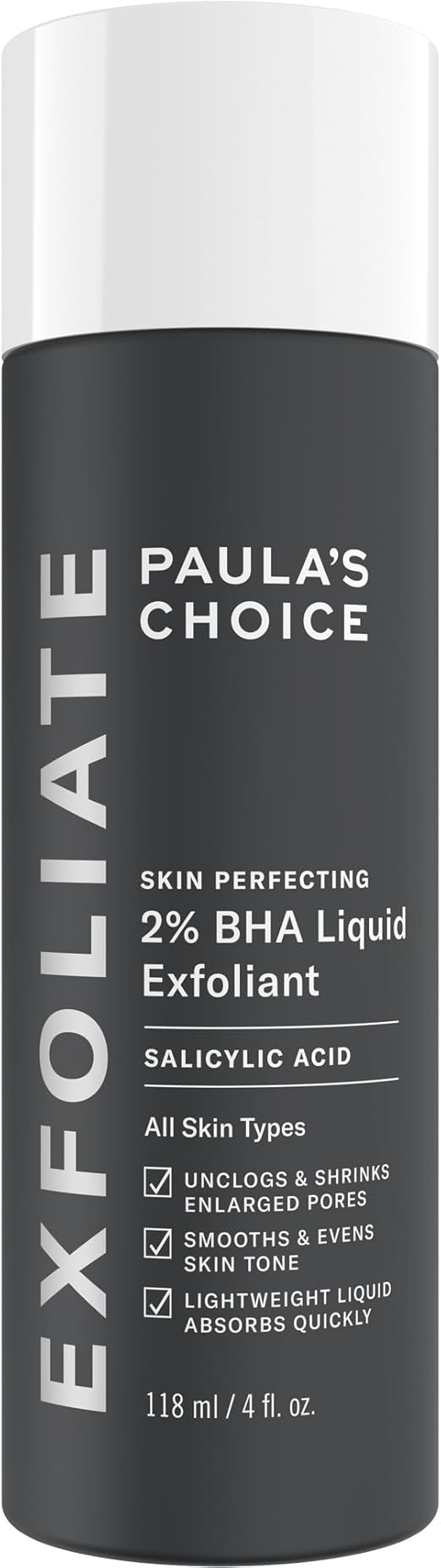
- Exfoliation: Paula's Choice 2% BHA Liquid Exfoliant — clears clogged pores without irritation, ~$37
- Brightening on a budget: The Ordinary Niacinamide 10% + Zinc 1% — proven barrier support for ~$6
- Sun protection: EltaMD UV Clear SPF 46 — fragrance-free, niacinamide-infused, no white cast
- Antioxidant gold standard: SkinCeuticals C E Ferulic — the original L-ascorbic acid + vitamin E formula
- Resurfacing: Sunday Riley Good Genes — 10% lactic acid for gentle nighttime renewal
- Hydration boost: COSRX Snail 96 Mucin Essence — K-beauty barrier support, ~$19
- Dark spot treatment: Kiehl's Clearly Corrective Dark Spot Solution — stabilized vitamin C, ~$89
This article contains affiliate links. If you purchase through our links, GlowScienceHQ may earn a commission at no additional cost to you. All recommendations are independently researched and reflect our honest editorial opinion.
Affiliate Disclosure
Discussion
Sign in with GitHub to leave a comment. Your replies are stored on this site's public discussion board.