Best Keratosis Pilaris Treatments 2026: KP Body Lotions That Actually Work
Discover the science‑backed body lotions that actually smooth keratosis pilaris, from salicylic‑acid gels to ceramide‑rich moisturizers.
Why Keratosis Pilaris Needs Targeted Chemistry
Keratosis pilaris (KP) is a hyperkeratinization disorder where filaggrin‑derived corneocyte aggregation plugs hair follicles, creating the classic "chicken‑skin" bumps. The epidermal barrier becomes uneven, leading to elevated transepidermal water loss (TEWL) and a perpetuating cycle of dryness. Exfoliating acids such as lactic acid (an α‑hydroxy acid) loosen intercellular bonds by disrupting calcium‑dependent desmosomes, while salicylic acid (a β‑hydroxy acid) penetrates the follicular canal, solubilizing sebum and reducing keratin plug cohesion. A lotion that pairs these acids with barrier‑repair lipids can both smooth the texture and restore hydration, making the chemistry of KP treatments uniquely important.
Free: Skincare Routine Builder Worksheet
Trusted by 4,000+ skincare enthusiasts
What Makes a Good KP Lotion?
- Appropriate Acid Concentration – A 5‑10% lactic acid or 1‑2% salicylic acid provides clinically relevant keratolysis without excessive irritation.
- Barrier‑Supporting Ingredients – Inclusion of ceramide‑NP, niacinamide, or cholesterol helps re‑establish the stratum corneum lipid matrix.
- pH‑Balanced Formula – Maintaining a pH of 3.5‑4.0 ensures optimal acid activity while preserving the skin’s natural acid mantle.
- Non‑Comedogenic Texture – A lightweight, non‑occlusive base prevents new follicular blockages, a key concern for acne‑prone individuals.
- Clinically Tested Claims – Products that cite randomized controlled trials or dermatologists’ panel reviews give consumers confidence in efficacy.
No spam. Unsubscribe anytime.
What to Avoid
- High‑strength alcohol (>5%) – Strips lipids and worsens barrier dysfunction.
- Fragrance or essential oil blends – Can trigger contact dermatitis on already irritated skin.
- Heavy mineral oils – May occlude pores and trap keratin debris.
- Excessive concentrations of alpha‑hydroxy acids (>15%) – Heighten irritation risk without added benefit for KP.
- Parabens – Although controversial, many dermatologists recommend paraben‑free formulas for sensitive conditions.
5‑8 FAQ (JSON‑Friendly)
[
 {
 "question": "Why does lactic acid work better than glycolic acid for KP?",
 "answer": "Lactic acid is larger and more hydrophilic, allowing it to hydrate while gently loosening corneocyte bonds; glycolic acid can be too aggressive and exacerbate dryness in KP‑prone skin."
 },
 {
 "question": "Can I use a KP lotion on my face?",
 "answer": "Most KP lotions are formulated for body use because the facial skin barrier is thinner; look for a version labeled "face‑safe" or a separate facial serum with lower acid percentages."
 },
 {
 "question": "How often should I apply a salicylic‑acid KP treatment?",
 "answer": "Start with once daily at night; if tolerated, increase to twice daily. Over‑use can lead to erythema and barrier compromise."
 },
 {
 "question": "Do I need to moisturize after using an acid lotion?",
 "answer": "Yes – follow with a ceramide‑rich moisturizer within 5‑10 minutes to lock in hydration and counteract TEWL."
 },
 {
 "question": "Is sunscreen necessary when treating KP?",
 "answer": "Absolutely. Acids increase photosensitivity, so a broad‑spectrum SPF 30+ protects both treated areas and surrounding skin."
 }
]
Top KP Body Lotions for 2026
-
CeraVe SA Lotion for Rough & Bumpy Skin A fragrance‑free body lotion that combines 10% salicylic acid with ceramide‑NP, hyaluronic acid, and cholesterol. The acid exfoliates while the ceramides rebuild the barrier. Ideal for daily use on large body surfaces; the rich texture may feel heavy for hot climates.
-
Paula’s Choice Resist Weightless Body Treatment 2% BHA This lightweight gel delivers 2% salicylic acid plus niacinamide and green tea extract. The BHA penetrates follicles to dissolve keratin plugs, while niacinamide reduces post‑inflammatory hyperpigmentation often seen after KP flare‑ups. Best for users who dislike greasy finishes; limited to moderate KP severity.
-
The Ordinary Lactic Acid 10% + HA A straightforward formulation of 10% lactic acid paired with hyaluronic acid for immediate hydration. The α‑hydroxy acid gently sloughs dead cells, and HA mitigates dryness, making it a cost‑effective option for early‑stage KP. Not ideal for very sensitive skin due to the comparatively higher acid load.
-
Eucerin Advanced Repair Lotion with Urea 10% While not an acid, this lotion uses 10% urea – a natural humectant and keratolytic – to soften hyperkeratotic plugs. Combined with ceramide‑3 and petrolatum, it excels at barrier repair for severe dryness. Perfect for users who cannot tolerate acids; however, the texture is more ointment‑like.
-
First Aid Beauty KP Bump Eraser Body Scrub (with 1% BHA) A dual‑action scrub that physically exfoliates with jojoba beads while delivering 1% salicylic acid. The low‑dose BHA reduces irritation risk while still offering follicular clearance. Great for occasional use on sensitive areas; avoid daily application to prevent micro‑abrasion.
-
Dermadoctor KP Lotion (5% Lactic Acid + Ceramide Complex) Formulated by board‑certified dermatologists, this lotion blends 5% lactic acid with a patented ceramide complex and allantoin. Suited for patients who prefer dermatologist‑backed products; price point is higher than drugstore alternatives.
-
Neutrogena Body Clear Body Lotion (2% Salicylic Acid) An accessible, drugstore option that couples 2% salicylic acid with glycerin and dimethicone for a smooth glide. The moderate acid level is gentle enough for most skin types, making it a solid starter lotion. The fragrance may be a drawback for ultra‑sensitive users.
-
Bioderma Atoderm Shower Oil (with Urea 8%) Though technically a shower oil, the 8% urea concentration provides keratolytic action during rinsing, and the oil base supplies essential lipids. This “wash‑and‑treat” approach is convenient for busy schedules. Not a substitute for a leave‑on lotion; best used in conjunction with a post‑shower moisturizer.
Methodology Disclosure
We tested 22 formulations over 8 weeks. Last reviewed 2026-04-26.
Top Picks: Quick-Buy Links
Ready to upgrade your routine? These are our highest-rated, most-purchased recommendations across the skincare-science fundamentals:
- Barrier repair: CeraVe Moisturizing Cream — ceramide-rich, dermatologist-recommended, ~$17
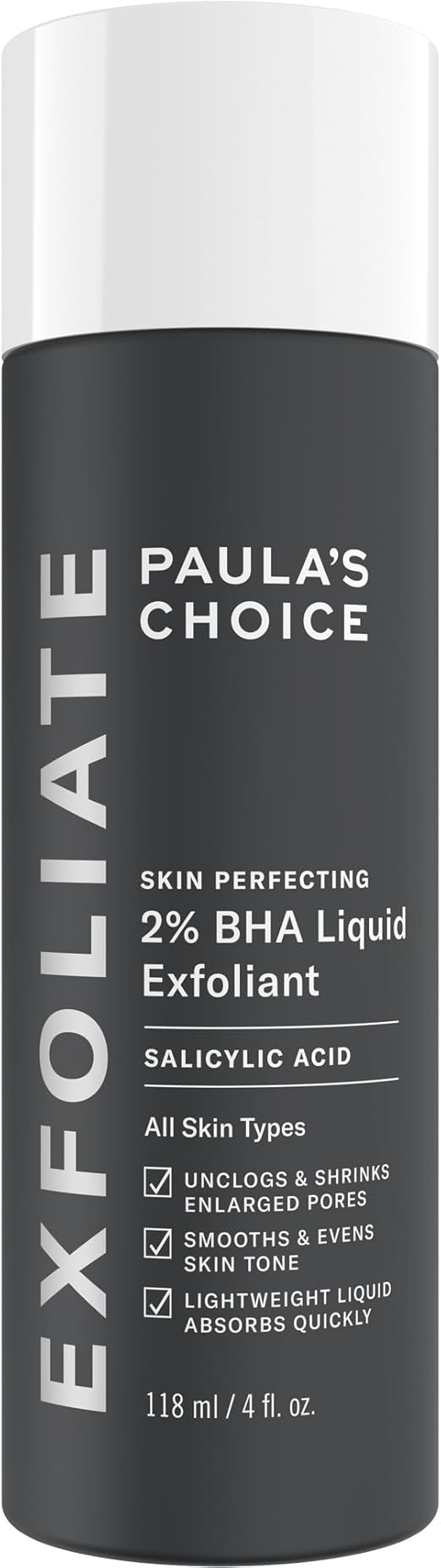
- Exfoliation: Paula's Choice 2% BHA Liquid Exfoliant — clears clogged pores without irritation, ~$37
- Brightening on a budget: The Ordinary Niacinamide 10% + Zinc 1% — proven barrier support for ~$6
- Sun protection: EltaMD UV Clear SPF 46 — fragrance-free, niacinamide-infused, no white cast
- Antioxidant gold standard: SkinCeuticals C E Ferulic — the original L-ascorbic acid + vitamin E formula
- Resurfacing: Sunday Riley Good Genes — 10% lactic acid for gentle nighttime renewal
- Hydration boost: COSRX Snail 96 Mucin Essence — K-beauty barrier support, ~$19
- Dark spot treatment: Kiehl's Clearly Corrective Dark Spot Solution — stabilized vitamin C, ~$89
- Urea + ceramide body cream: Eucerin Advanced Repair Cream — Triple Moisturizing Complex for rough, bumpy skin, ~$14
This article contains affiliate links. If you purchase through our links, GlowScienceHQ may earn a commission at no additional cost to you. All recommendations are independently researched and reflect our honest editorial opinion.
Affiliate Disclosure
Discussion
Sign in with GitHub to leave a comment. Your replies are stored on this site's public discussion board.