AHA vs BHA vs PHA: Which Chemical Exfoliant Do You Actually Need?
AHA vs BHA vs PHA: know the difference between glycolic acid, salicylic acid, and PHA so you can pick the right chemical exfoliant for your skin concern.
Chemical exfoliants are among the most effective skincare ingredients available without a prescription. But AHA, BHA, and PHA have different mechanisms and suit different skin concerns. Here is how to choose.
AHAs (Alpha-Hydroxy Acids)
Examples: Glycolic acid, lactic acid, mandelic acid
AHAs are water-soluble and work primarily on the surface of the skin. They dissolve the bonds between dead skin cells, helping them shed more evenly. This resurfaces texture, brightens uneven tone, reduces the appearance of sun damage and fine lines, and improves moisture retention.
Best for: Dry skin, dull skin, uneven tone, sun damage, textural issues Not ideal for: Oily or acne-prone skin (cannot penetrate pores)
Among AHAs, glycolic acid is smallest and most potent. Lactic acid is gentler with some additional hydration benefits. Mandelic acid is the gentlest and best for sensitive or darker skin tones (lower risk of post-inflammatory hyperpigmentation).
BHA (Beta-Hydroxy Acid)
The main one: Salicylic acid
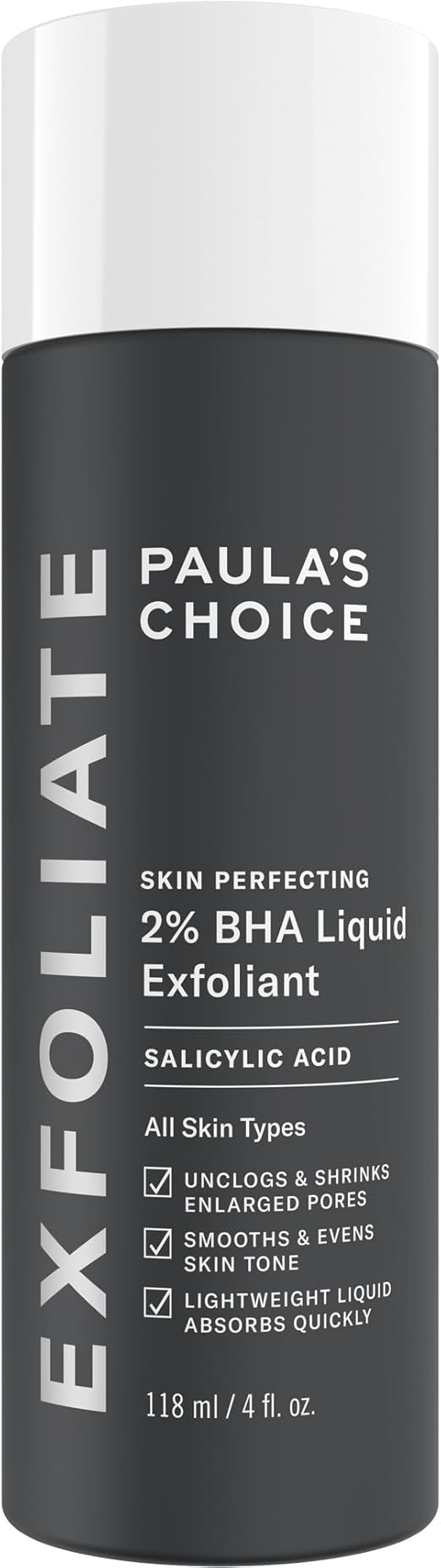
BHA is oil-soluble, which is the key difference. It can penetrate into pores, dissolve the sebum and debris that cause blackheads and whiteheads, and reduce inflammation. This makes it the first-line OTC ingredient for acne and congested pores.
Best for: Oily skin, acne-prone skin, blackheads, whiteheads, enlarged pores Not ideal for: Dry or dehydrated skin (can be drying at higher concentrations)
PHA (Polyhydroxy Acids)
Examples: Gluconolactone, lactobionic acid
PHAs are a newer generation of exfoliants with larger molecular structures, which means they penetrate more slowly and cause less irritation. The exfoliation is gentler, making them ideal for sensitive skin types, rosacea-prone skin, and those who have never tolerated AHAs or BHAs.
Best for: Sensitive skin, rosacea, beginners, those with reactive skin
Concentration and Frequency
Lower concentrations (5–8% AHA, 0.5–2% BHA) are suitable for daily toners. Higher concentrations (15–30% AHA) are weekly or bi-weekly peels. Always start lower and work up based on your skin's response.
Photosensitivity Warning
AHAs in particular increase sun sensitivity. Use exfoliants in your PM routine, and always apply SPF the following morning. This is not optional — skipping SPF while using exfoliants will accelerate the sun damage you are trying to treat.
Which to Use
- Acne and oily skin → salicylic acid BHA
- Texture, dark spots, dry skin → glycolic or lactic AHA
- Sensitive or reactive skin → PHA or mandelic AHA
- Combination skin → BHA in the T-zone, AHA or PHA elsewhere
Free Download
Skincare Routine Builder Worksheet
Trusted by 4,000+ skincare enthusiasts
Instant download. No spam. Unsubscribe anytime.
Affiliate Disclosure