Vitamin C Serum vs Retinol – Which Should You Use First?
FTC Disclosure: Some links in this article are affiliate links. If you purchase through them, we may earn a commission at no extra cost to you.
Introduction
Vitamin C and retinol are the two most celebrated actives in luxury skincare. Vitamin C delivers antioxidant protection, brightening, and collagen support, while retinol (a vitamin A derivative) accelerates cell turnover and smooths fine lines. Both promise radiant, youthful skin, but their chemistry differs dramatically. Understanding vitamin C vs retinol—especially the order in which you apply them—can prevent irritation, preserve efficacy, and maximize results. In this guide we break down the science, give you a step‑by‑step layering routine, and answer the most common “can you use vitamin C and retinol together?” question.
Free: Skincare Routine Builder Worksheet
Trusted by 4,000+ skincare enthusiasts
Key Takeaways
- Vitamin C works best at pH ≤ 3.5, so apply it before retinol, which prefers a neutral pH around 6.
- Wait 5‑10 minutes after vitamin C to allow full absorption before layering retinol or any niacinamide‑based serum.
- Using a gentle cleanser like CeraVe Hydrating Facial Cleanser creates an optimal base for both actives.
- Beginners should start with Vitamin C in the morning and retinol at night two to three times per week, then increase frequency.
- Pairing a barrier‑repair moisturizer such as First Aid Beauty Ultra Repair Cream reduces retinol‑related dryness.
No spam. Unsubscribe anytime.
What Is Vitamin C Serum and How Does It Work?
Vitamin C serum delivers a stable form of L‑ascorbic acid that neutralizes free radicals, brightens hyperpigmentation, and stimulates collagen synthesis. Its low pH (≈ 3) ensures maximum penetration but can be irritating for compromised barriers.
Best Luxury Vitamin C Option
- SeoulCeuticals 20 % Vitamin C Hyaluronic Acid Serum – potent, fragrance‑free, and paired with hyaluronic acid for added hydration.
Quick tip
Apply vitamin C on clean, slightly damp skin to boost absorption, then follow with a thin layer of moisturizer.
What Is Retinol and Why Is It Popular?
Retinol is a conversion precursor to retinoic acid, the active molecule that binds to skin cell receptors and speeds up turnover. However, retinol can cause erythema, peeling, and barrier disruption at first.
Beginner‑Friendly Retinol
- The Ordinary Retinol 0.2% in Squalane – low concentration, squalane base reduces dryness.
Quick tip
Start with 2‑3 nights per week, then increase as tolerated.
Can You Use Vitamin C and Retinol Together?
You can, but the order matters. Applying vitamin C first respects its low‑pH environment; retinol applied afterward avoids pH neutralization that would diminish vitamin C potency. Skipping the waiting period can cause a pH clash, leading to reduced efficacy and increased irritation.
Recommended Stack
- Morning: Cleanse → Vitamin C serum → SPF 30+ (e.g., La Roche‑Posay Toleriane Double Repair UV SPF).
- Evening: Cleanse → Gentle exfoliant (optional) → Retinol → Moisturizer.
Which Should You Use First – Vitamin C or Retinol?
Vitamin C should be applied first, followed by a short waiting period, then retinol. The low‑pH vitamin C needs direct contact with the skin; once absorbed, the neutral pH of retinol can be introduced without diminishing either ingredient’s activity.
How Long Should I Wait Between Vitamin C and Retinol?
A 5‑10 minute pause allows vitamin C to penetrate the epidermis. During this window, you can gently pat a lightweight hydrating serum such as The Ordinary Hyaluronic Acid 2% + B5 to lock in moisture.
Does My Skin Type Influence the Order?
- Normal to dry skin: Tolerates the full routine; waiting time can be shorter.
- Sensitive or eczema‑prone skin: Use a barrier‑boosting cleanser like CeraVe Hydrating Facial Cleanser and add First Aid Beauty Ultra Repair Cream after retinol to mitigate irritation.
- Oily, acne‑prone skin: Consider adding The Ordinary Niacinamide 10 % + Zinc 1 % before retinol to control sebum and reduce breakout risk.
How Frequently Should I Use Each Active?
| Routine | Vitamin C Frequency | Retinol Frequency | Reason |
|---|---|---|---|
| Beginner | Twice daily (morning) | 2‑3 nights/week | Builds tolerance |
| Intermediate | Twice daily | 4‑5 nights/week | Faster results |
| Advanced | Twice daily | Every night | Maximal anti‑aging |
Check current prices: CeraVe Hydrating Facial Cleanser · First Aid Beauty Ultra Repair Cream · The Ordinary Retinol 0.2% in Squalane · The Ordinary Hyaluronic Acid 2% + B5 · The Ordinary Niacinamide 10 % + Zinc 1 % · Olay Regenerist Micro‑Sculpting Serum · Clarins Double Serum · SeoulCeuticals 20 % Vitamin C
Should I Pair Vitamin C with a Peptide Serum?
Yes. Peptides such as those in Olay Regenerist Micro‑Sculpting Serum are pH‑neutral and can be layered after vitamin C and before retinol without conflict.
What Sunscreen Is Essential When Using These Actives?
Both vitamin C and retinol increase photosensitivity. A broad‑spectrum SPF 30+ with mineral filters (zinc oxide/titanium dioxide) is ideal. La Roche‑Posay Toleriane Double Repair UV SPF Moisturizer offers SPF 30, hydrating ceramides, and a non‑greasy finish.
How Do I Spot a Stable Vitamin C Formula?
Look for:
- Concentration 10‑20 % L‑ascorbic acid.
- Packaging in opaque, air‑tight pump bottles.
- Inclusion of ferulic acid or vitamin E which stabilizes up to 30 % longer (per product data sheets).
Are There Any “Vitamin C + Retinol” All‑In‑One Products Worth Buying?
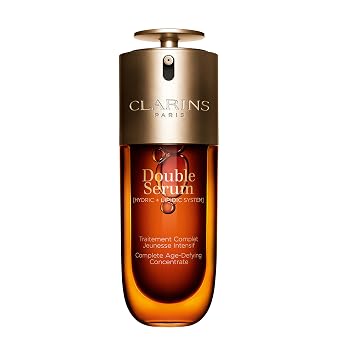
All‑in‑one combos often compromise pH stability. For luxury performance, keep the actives separate. However, for travel or minimal routine seekers, Clarins Double Serum provides a dual‑phase approach but focuses on vitamin C and plant extracts, not retinol.
Comparison Table: Vitamin C vs Retinol
| Feature | Vitamin C Serum | Retinol Serum |
|---|---|---|
| Primary Goal | Antioxidant, brightening | Cell turnover, anti‑aging |
| Ideal pH | ≤ 3.5 | ~ 6 |
| Typical Use | Morning | Night |
| Common Irritation | Minimal, if barrier healthy | Redness, peeling |
| Recommended Pairings | Hyaluronic acid, peptide serums | Moisturizer, niacinamide |
| Example Product | SeoulCeuticals 20 % Vitamin C | The Ordinary Retinol 0.2 % |
Frequently Asked Questions
Does Vitamin C Reduce Retinol Irritation?
Yes. Vitamin C strengthens the barrier and its antioxidant properties can lower retinol‑induced redness.
Can I Skip the Waiting Period If I Use a Hybrid Serum?
Only if the product is specifically formulated for concurrent use and has been stability‑tested. Most luxury hybrids, like the one from Clarins, still recommend separate application for optimal results.
Is It Safe to Use Vitamin C on Sensitive Skin?
Generally safe, but choose a 10 % concentration and avoid fragrance. Pair with a soothing moisturizer like First Aid Beauty Ultra Repair Cream.
How Long Until I See Results?
- Vitamin C: 2‑4 weeks for brightening.
- Retinol: 8‑12 weeks for fine line reduction. Consistency is key.
Should I Use a Physical or Chemical Sunscreen?
Both work, but physical (mineral) sunscreens are less likely to cause irritation alongside actives.
Conclusion
When it comes to vitamin C vs retinol, the answer isn’t “which is better?” but “which should you apply first?” Use vitamin C in the morning to protect and brighten, wait a brief moment, then reserve retinol for your nighttime routine to renew and smooth. By following the layering order, respecting pH levels, and supporting the skin with gentle cleansers and rich moisturizers, you’ll unlock the full, proven power of both actives without compromise.
Ready to upgrade your regimen? Grab the SeoulCeuticals Vitamin C Serum for daytime radiance and the The Ordinary Retinol 0.2 % for night‑time renewal today. Your skin will thank you.
Sources & References
Affiliate Disclosure
Discussion
Sign in with GitHub to leave a comment. Your replies are stored on this site's public discussion board.