Best Fungal Acne Safe Products 2026: Malassezia-Friendly Picks That Won't Feed the Yeast
Fungal acne is not regular acne. It is malassezia folliculitis, a yeast overgrowth that many oils and creams feed. Here are 7 fungal-acne-safe cleansers, serums, and treatments for 2026, plus how to build a trigger-aware routine.
If your "acne" is actually a field of tiny, uniform, itchy bumps that flares in heat and humidity and shrugs off your usual benzoyl peroxide, you may not be dealing with regular acne at all. You may be dealing with fungal acne — more accurately called malassezia folliculitis — an overgrowth of a yeast that naturally lives on everyone's skin. The frustrating twist: many "gentle" moisturizers and oils that calm normal breakouts actively feed malassezia, because the yeast metabolizes certain fatty acids and esters. Choosing the wrong product can make it worse.
This guide rounds up fungal-acne-safe products for 2026 across the routine — cleanse, treat, hydrate, and reset — chosen because their formulas avoid the most common malassezia triggers and lean on ingredients the yeast can't use as fuel.
Free: Skincare Routine Builder Worksheet
Trusted by 4,000+ skincare enthusiasts
Disclosure: Some links are affiliate links; we may earn a commission at no extra cost to you.
What "fungal acne safe" actually means
No spam. Unsubscribe anytime.
Malassezia feeds on lipids — specifically fatty acids in the C11–C24 range, many esters, polysorbates, and some plant oils and fermented ingredients. A product is considered "fungal acne safe" when it's formulated without those triggers and instead relies on humectants and actives the yeast can't digest. Reliable, malassezia-friendly building blocks include:
- Glycerin, hyaluronic acid, and urea for hydration
- Niacinamide and zinc to calm and regulate oil
- Salicylic acid (BHA) to keep follicles clear
- Ketoconazole (an antifungal) to directly reduce yeast load
Equally important is what to avoid: most facial oils, many "nourishing" balms, ingredients ending in common ester suffixes, polysorbate-based emulsifiers, and fermented or yeast-derived extracts. This is why a moisturizer that's perfect for dry, non-fungal skin can be the exact thing keeping a malassezia flare alive. The ingredient list matters more than the marketing claim on the front of the bottle.
Note that fungal folliculitis can look identical to bacterial acne, and the two often coexist. None of the products below diagnose anything — if bumps persist, a dermatologist can confirm with a quick skin scraping. For broader breakouts, our guide to body acne treatments and our acne-prone routine framework cover the bacterial side.
At-a-glance comparison
| Product | Role in routine | Key trigger-free actives | Approx. price |
|---|---|---|---|
| CeraVe Foaming Facial Cleanser | AM/PM cleanse | Niacinamide, ceramides, HA | $16 |
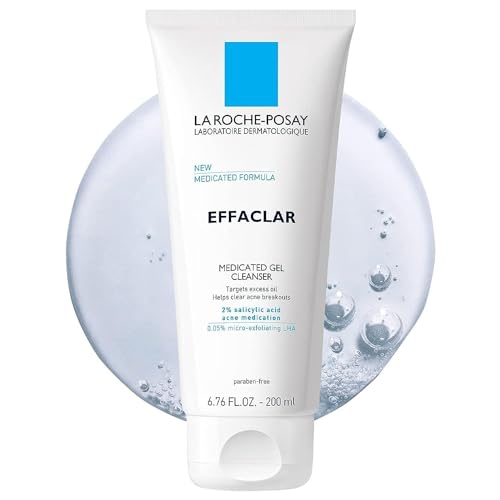
| La Roche-Posay Effaclar Medicated Gel Cleanser | Oil-control cleanse | 2% salicylic acid, LHA | $17 |
| Anua Heartleaf Quercetinol Pore Foam | Gentle deep cleanse | BHA, heartleaf | $17 |
| Anua Niacinamide 10 + TXA 4 | Brightening serum | Niacinamide, tranexamic acid | $20 |
| Stridex Maximum Strength Pads | Spot/body BHA | 2% salicylic acid | $9 |
| Vanicream Daily Facial Moisturizer | Lightweight hydration | Ceramides, HA, glycerin | $13 |
| Nizoral Anti-Dandruff Shampoo | Antifungal reset | 1% ketoconazole | $15 |
Check current prices: CeraVe Foaming Facial Cleanser · La Roche-Posay Effaclar Medicated Gel Cleanser · Anua Heartleaf Quercetinol Pore Foam · Anua Niacinamide 10 + TXA 4 Serum · Stridex Maximum Strength Pads · Vanicream Daily Facial Moisturizer · Nizoral Anti-Dandruff Shampoo
The picks
1. Best everyday cleanser: CeraVe Foaming Facial Cleanser
A long-standing dermatologist default for a reason. The foaming gel removes oil and sweat without stripping, and the formula leans on niacinamide, three ceramides, and hyaluronic acid rather than the esters and oils that can feed yeast. It's a sensible morning and evening base for malassezia-prone skin that's also oily or combination.
CeraVe Foaming Facial Cleanser
2. Best for oil control: La Roche-Posay Effaclar Medicated Gel Cleanser
When excess sebum is part of the problem — and with malassezia it usually is — a 2% salicylic acid wash pairs daily cleansing with light follicular exfoliation. BHA is oil-soluble, so it gets into the pore lining where the yeast clusters. Use it once daily to start; it can be drying if you overdo it.
La Roche-Posay Effaclar Medicated Gel Cleanser
3. Best K-beauty cleanser: Anua Heartleaf Quercetinol Pore Deep Cleansing Foam
Anua's heartleaf foam has become a fan favorite, and it's widely flagged as fungal-acne safe. It combines a low dose of BHA with soothing heartleaf to clear pore debris and calm redness without a tight, squeaky finish. A nice option if traditional acne cleansers leave your barrier feeling raw.
Anua Heartleaf Quercetinol Pore Foam
4. Best brightening serum: Anua Niacinamide 10 + TXA 4
Post-folliculitis marks are the second battle. This serum pairs 10% niacinamide (calming, oil-regulating, barrier-supporting) with 4% tranexamic acid, an ingredient with growing evidence for fading stubborn discoloration. Both are malassezia-friendly, and the lightweight texture layers cleanly. For more on niacinamide formulas, see our best niacinamide serums roundup.
Anua Niacinamide 10 + TXA 4 Serum
5. Best budget treatment: Stridex Maximum Strength Pads
A cult favorite for a reason: single-ingredient 2% salicylic acid on a swipe-and-go pad, with no oils or esters in the carrier. They're useful on the chest, back, and shoulders where folliculitis loves to spread, and they're inexpensive enough to use liberally. Patch test first; maximum strength can sting on inflamed skin.
6. Best lightweight moisturizer: Vanicream Daily Facial Moisturizer
Hydration is the step people get wrong, reaching for rich creams that backfire. Vanicream's daily facial formula keeps it minimal — ceramides, hyaluronic acid, and glycerin — without fragrance or common irritants. It's a safer bet than oil-heavy creams, though anyone with a known sensitivity should always check the current ingredient list, since malassezia tolerance varies person to person.
Vanicream Daily Facial Moisturizer
7. Best antifungal reset: Nizoral Anti-Dandruff Shampoo (1% Ketoconazole)
The wildcard that targets the yeast directly. Many people use a ketoconazole shampoo as a short-contact "mask" on affected areas — lather, leave on a few minutes, rinse — a few times a week to knock down yeast load, then maintain with the gentler steps above. It's a drugstore staple and often the missing piece when nothing else works. Follow label directions and don't overuse it.
How to build a fungal-acne-safe routine
Keep it short and trigger-aware:
- AM: gentle cleanser, niacinamide serum, lightweight moisturizer, and a fungal-acne-safe mineral sunscreen.
- PM: cleanse (BHA wash a few nights a week), niacinamide serum, lightweight moisturizer.
- 2–3x weekly: short-contact ketoconazole on affected zones.
Introduce one product at a time so you can spot what helps — and what flares. Give any new routine 4–6 weeks before judging it, and resist piling on rich occlusives "to repair the barrier," since that's often what fed the yeast in the first place.
A few habits matter as much as the products. Change pillowcases and towels often, shower promptly after sweating, and avoid sitting around in damp workout clothes, since heat and trapped moisture are exactly the conditions malassezia thrives in. If you use hair oils or rich conditioners, keep them off your face, neck, and back, where the residue can quietly feed a flare along the hairline and shoulders.
Frequently asked questions
How do I know if I have fungal acne and not regular acne? Fungal folliculitis tends to show up as small, uniform, itchy bumps — often on the forehead, chest, back, and shoulders — that worsen with heat, sweat, and humidity, and don't respond to standard acne treatments. It commonly coexists with bacterial acne. A dermatologist can confirm it quickly, which matters because the treatments differ.
Can I still use sunscreen and moisturizer with fungal acne? Yes, and you should. The key is choosing formulas without the oils, esters, and fermented ingredients that feed malassezia. Lightweight, humectant-based moisturizers and mineral sunscreens are generally safer starting points than rich, oil-forward creams.
How long until fungal-acne-safe products work? Antifungal steps like ketoconazole can reduce yeast load relatively quickly, but visibly calmer skin usually takes several weeks of consistent, trigger-free routine. Marks left behind from healed bumps fade more slowly, which is where niacinamide and tranexamic acid earn their place over a couple of months.
Always read the current ingredient list, since formulas change, and consult a dermatologist for persistent or worsening symptoms.
Affiliate Disclosure
Discussion
Sign in with GitHub to leave a comment. Your replies are stored on this site's public discussion board.